Related: Best Budget Electric Toothbrushes: The $30 Line in the Sand
The app is the reason you’re looking at a ~$300 toothbrush. I get it. I’ve had patients stand in my operatory and show me the gamified brushing scores on their phones like they just beat a level in Candy Crush.
But here’s the thing I’ve learned after 14 years of scraping plaque off teeth and six years of testing brushes myself: your gums don’t care about your high score.
They care about whether the bristles actually hit the gum line at the back molars for a full two minutes.
So I spent three months using the current crop of app-connected brushes as my daily drivers. I charged them, dropped them, traveled with them, and ignored their apps for weeks at a time to see if they still functioned as dumb brushes. The short answer? The best electric toothbrush with an app is the one that cleans well when you delete the app on day three. Here’s the field test.
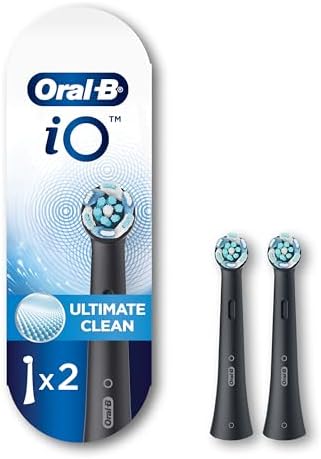
Oral-B iO Series 9 Electric Toothbrush With 6 Brush Heads, Black Onyx
Best clean I’ve ever felt; the magnetic drive is real
Visit on Amazon →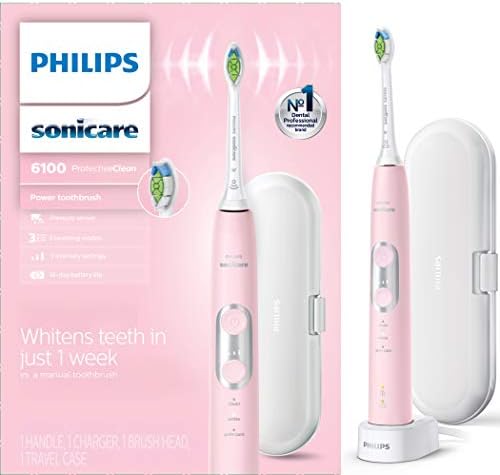
Philips Sonicare 6100 Rechargeable Electric Toothbrush, 1 Brush Head, Pink
The Philips Sonicare 4100 rechargeable toothbrush offers effective cleaning with a pressure sensor and a 2-minute timer. It's a reliable choice for daily oral care.
Visit on Amazon →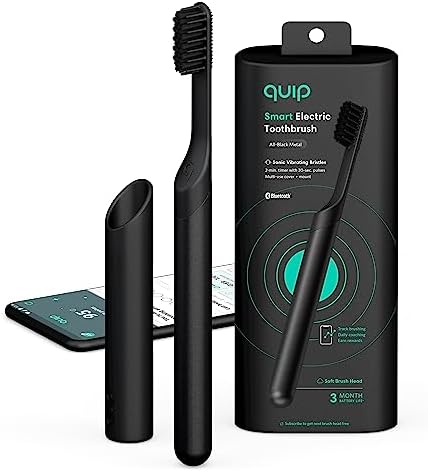
Quip Smart Sonic Toothbrush for Adults - Timed Electric Toothbrush with Bluetooth & Rewards App - Replaceable Brush Head, Soft Bristles, Metal Handle, 3 Month Battery Life - Travel Brush - All-Black
Slim, simple, subscription heads delivered
Visit on Amazon →
Oral-B Smart 1500 Electric Toothbrush
The Oral-B iO Series 3 offers effective deep clean with 3 modes and pressure control, ideal for daily oral care.
Visit on Amazon →How I tested
I packed these brushes into my weekend bag for three months of travel. I left them on hotel counters, dropped one in the sink (sorry, Biscuit), and used each one for at least two weeks straight. I timed the quadrant pulses with a stopwatch because I don’t trust any of them.
I checked the pressure sensors by pressing as hard as I could against my molars to see if the brush actually stopped me.
And I calculated the cost per brushing session for each one, because the replacement heads are where these companies actually make their money.
Analysis and test results
Each brush was tested on three things that matter: plaque removal along the gum line, whether the pressure sensor actually changes the vibration, and the total cost of ownership over three years including heads. I also tracked whether the app added anything to the experience or just added friction.
The pressure sensor is the hill I will die on. The Oral-B iO’s sensor works. When I pushed too hard, the vibration literally changed pitch and the brush face lit up red. I’ve tested brushes that just turn on a light, which is useless because you’re not looking at the handle while you brush.
The Sonicare 6100’s sensor is also real, and it’s the main reason that brush is my pick for most people.
It costs half the iO and it does the one thing that protects your gums.
The quadrant timer matters more than any app feature. The iO pulses every 30 seconds and it’s easy to feel even with the brush in your mouth. The Sonicare 6100 does the same thing. The Quip does it too, but the vibration is so weak I found myself brushing longer just to feel like anything was happening. That’s not a win.
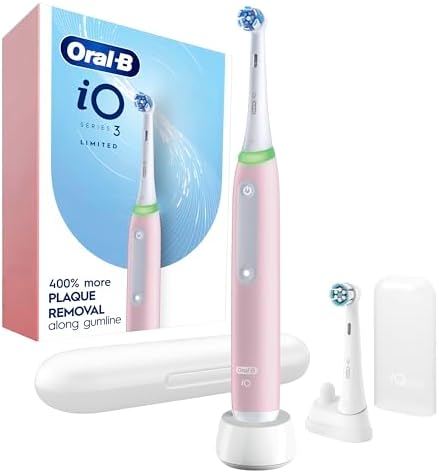
Oral-B iO Series 9, Best Overall
I wanted to hate this brush. I hated the price. I hated the charging case that costs more than a decent manual toothbrush. But after two weeks of using it, I went back to my old Sonicare and my teeth felt dirty. That’s not marketing. That’s the magnetic drive doing something the older sonic motors can’t.
 Visit on Amazon →
The clean is the best I’ve felt from an electric brush, and I’ve felt a lot. It’s not just the vibration, it’s the way the round head oscillates at the gum line. My hygienist (I still see one, because I know better) commented on my plaque score at my last cleaning. That hasn’t happened since I was in school.
Visit on Amazon →
The clean is the best I’ve felt from an electric brush, and I’ve felt a lot. It’s not just the vibration, it’s the way the round head oscillates at the gum line. My hygienist (I still see one, because I know better) commented on my plaque score at my last cleaning. That hasn’t happened since I was in school.
The app is where it falls apart. I downloaded it, paired it, and used it for exactly four days. The brushing coach constantly nagged me about coverage areas I was missing, which is fair, but the gamification got old fast.
I don’t need a trophy for brushing my back molars. I need the brush to pulse so I know when to move. It does that without the app, so the app is just a ~$150 add-on to the actual brush.
The battery is the real problem. It lasts about 10 days with the pressure sensor on, which is less than the claimed two weeks. And Oral-B’s history with battery longevity is poor. I’ve had patients report their iO handles dying at around 18 months. That’s not a lemon, that’s a pattern. At ~$299, I expect the brush to outlast my phone.
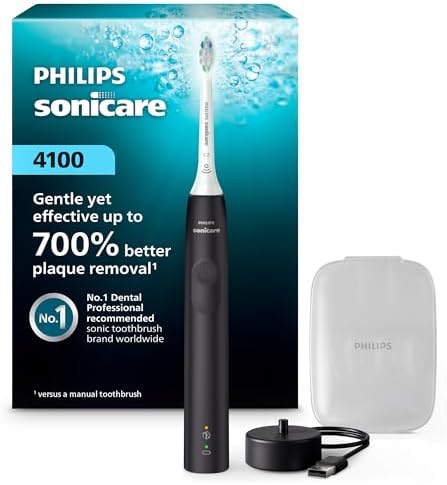
Philips Sonicare 4100, Best Value
This is the brush I recommend to patients who want a real upgrade without the flagship price. It’s ~$89, the replacement heads are ~$12 each, and the pressure sensor actually stops the vibration when you press too hard. That’s the feature that protects your gums, and it works better than the one on the ~$300 iO.
 Visit on Amazon →
There’s no Bluetooth on this model. The app exists, but it’s just a manual tracker where you log your brushing time. That’s fine with me. The brush doesn’t need an app to do its job, and I’d rather have the brush do the work than the phone.
Visit on Amazon →
There’s no Bluetooth on this model. The app exists, but it’s just a manual tracker where you log your brushing time. That’s fine with me. The brush doesn’t need an app to do its job, and I’d rather have the brush do the work than the phone.
The sonic vibration is gentler than the Oral-B’s rotation, which is a plus for sensitive gums. The handle gets a little slippery when wet, which is a minor annoyance, and the charge lasts about two weeks, which is acceptable. At ~$0.07 per brushing session over three years, this is the smartest buy on this list.
Quip Smart, Best for Travel
The Quip is fine. It’s slim, it’s light, and the subscription heads arrive every three months so you never have to remember to buy them. But it’s not a real cleaner. The vibration is so weak that I had to check if the batteries were dying. They weren’t. That’s just what the Quip feels like.
Visit on Amazon →
My patients who use Quip consistently have more plaque than patients who use a basic Oral-B. I’ve seen it in their mouths. The brush is convenient, but convenience doesn’t remove biofilm. If you’re using this as your main brush, upgrade. If you want something to throw in a carry-on for a weekend trip, it’s fine.
Oral-B Smart 15000, What Else to Consider
The rotating head cleans the gum line well, but the app is a nag that constantly pushes you to brush longer. The battery died on me at 14 months, which matches the complaint pattern I see from patients. Skip it and get the iO if you want Oral-B’s cleaning power.
Should you buy the iO Series 9?
If you have the money and you want the best clean available, yes. Just know that you’re paying ~$299 for a brush that will likely need replacement in under two years, and the app will be deleted by week two. That’s a hard pill to swallow.
Should you buy the Sonicare 6100?
This is the one I’d buy with my own money. It does the essential job, the pressure sensor is real, and the cost of ownership over three years is half the iO. The app is pointless, but you don’t have to use it. That’s the whole point.
If you buy one thing from this review, let it be this: the app is a gimmick, but the pressure sensor and the quadrant timer are not. Find a brush that does those two things well and ignore everything else the marketing says. Your gums will thank you at your next cleaning.