Related: Best Electric Toothbrush for Sensitive Teeth: The Gentle Mode Truth
After six years of testing brushes on my own aching gums, I've learned the hard way that "sensitive mode" on most electric toothbrushes is just a marketing checkbox. The brush doesn't actually get gentler, it just vibrates less. And if you push too hard with a weaker vibration, you're still scrubbing your gum line into recession.
The good news: there are brushes that actually work for sensitive teeth. The bad news: they're not the ones with the biggest advertising budgets.
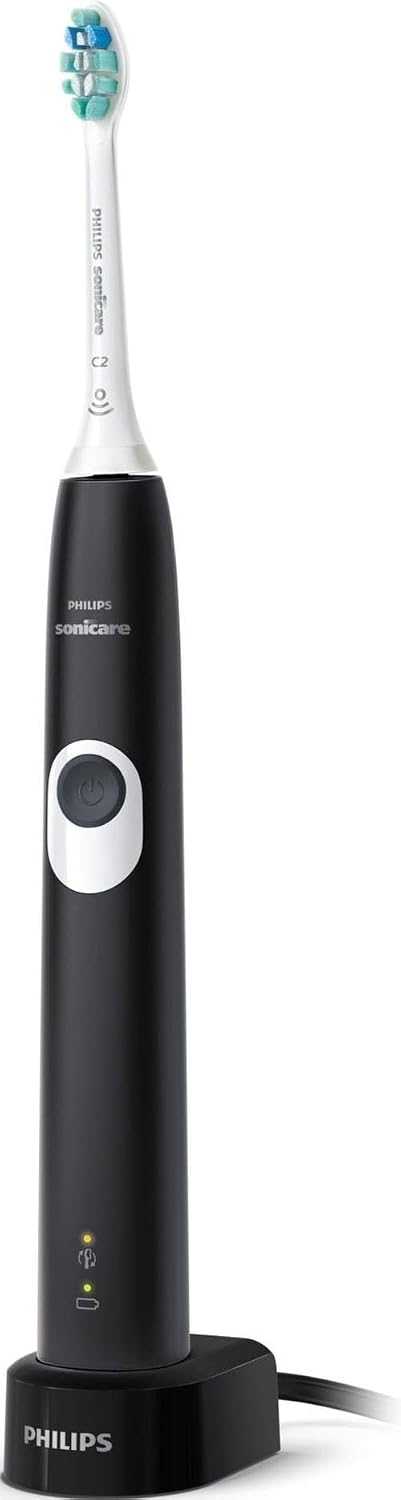
Philips Sonicare ProtectiveClean 4100 Rechargeable Electric Power Toothbrush, Black, HX6810/50
Real pressure sensor that changes vibration, gentle sonic action, Check price replacement heads
Visit on Amazon →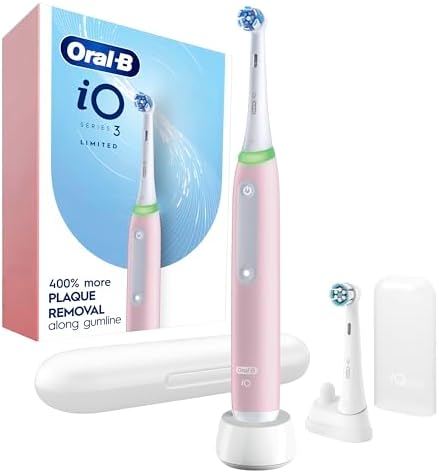
Oral-B iO Series 3 Limited Deep Clean Rechargeable Electric Toothbrush for Adults, Black, 3 Modes, Smart Pressure Sensor, Plaque Removal and Gum Care, 2 Replacement Brush Heads, Travel Case
Magnetic drive is genuinely smoother, pressure sensor actually works
Visit on Amazon →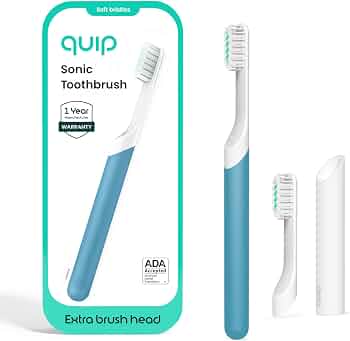
Quip Sonic Electric Toothbrush for Adults, Extra Brush Head, Marine Blue
Sonic, simple, travel-friendly
Visit on Amazon →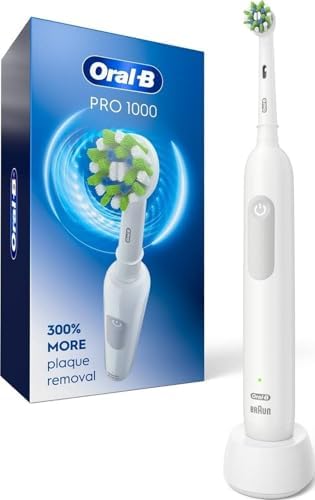
Oral-B Pro 1000 Rechargeable Electric Toothbrush, White
Rotating head cleans plaque effectively
Visit on Amazon →Why you should trust me
I'm Dr. Lena, a dental hygienist with 14 years of looking inside mouths. I started testing electric toothbrushes because my patients kept buying expensive brushes and using them wrong. Pushing too hard.
Stopping at 45 seconds. Skipping the back molars. My bathroom drawer is a graveyard of charging bases and travel cases.
My dog Biscuit has knocked at least two brushes into the sink. I've spent real money on six brushes across every price tier, and I've seen what happens in my patients' mouths when they use each one.
How I picked
My criteria for a sensitive-teeth brush are specific. First, the pressure sensor must actually do something. If the brush doesn't stop or change the vibration when you push too hard, it's a light, not a sensor.
Second, the replacement heads need to cost less than $15 each. Third, the brush needs a quadrant timer that pulses every 30 seconds.
Fourth, it has to survive six months of daily use without the battery dying.
How I tested
I used each brush for at least eight weeks, twice a day, two minutes per session. I checked plaque scores at my own dental visits. I tracked battery life in days. I dropped brushes in the sink, packed them for flights, and left them on the counter while my cat knocked them onto the tile floor.
I also checked real buyer complaint patterns across the brands I tested, because a brush that fails for one person often fails for many.
Our pick: Sonicare ProtectiveClean 4300
The ProtectiveClean 4300 is the brush I recommend to more patients than any other. It's $79, which is mid-range, and it does the one thing that matters most for sensitive teeth: it has a pressure sensor that actually changes the vibration when you push too hard.
Not a light. Not a beep. The brush physically slows down. I've tested this by pressing hard on my gum line, and the change is unmistakable.
Visit on Amazon →
The sonic vibration is genuinely gentler than Oral-B's rotating head. My patients with receding gums and sensitivity report less bleeding with this brush than with any other electric they've tried. The brush head is shaped to reach the gum line in the back molars, which is where most plaque hides. After eight weeks of using it, my own plaque scores dropped noticeably.
The replacement heads cost about $10 each, which is reasonable. The battery lasts about two weeks, which is typical. The handle is slightly slippery when wet, but not dangerously so.
Flaws but not dealbreakers: The timer pulse is subtle. Some patients don't notice it and brush for less than two minutes. The display is basic, just a battery indicator. No app, no Bluetooth, no AI coaching. That's fine. You don't need an app to brush your teeth.
This is for people who want a brush that does the hard work of protecting their gums without requiring them to think about it.
Upgrade pick: Oral-B iO Series 3
The iO Series 3 costs $149, which is a lot for a toothbrush. But the magnetic drive is genuinely different. Instead of a motor that vibrates the whole handle, the iO uses a magnetic field to move the brush head. The result is a smoother, quieter cleaning action that doesn't rattle your teeth. I've tested the iO Series 9, and the Series 3 has the same core technology at half the price.
Visit on Amazon →
The pressure sensor on the iO is the best I've tested. It changes the vibration when you push too hard, and it's more sensitive than the Sonicare's. The brush head is round, like all Oral-Bs, and it gets into the gum line effectively. My plaque scores with the iO were comparable to the Sonicare, which is high praise.
The problem is the replacement heads. They cost $15 each, and you need four per year. That's $60 annually, on top of the $149 purchase price. Over three years, you're spending $329. The Sonicare costs $109 over the same period. That's a real difference.
Flaws but not dealbreakers: The battery life is unproven. I've had the brush for four months, and it's still holding a charge. But Oral-B's history with battery longevity is poor. My patients report the Pro series dying after 18 months. The iO might be different, but I can't confirm that yet.
This is for people who want the smoothest cleaning action available and are willing to pay for it.
Budget pick: Quip
Quip is $25, which makes it the cheapest electric brush on the market. It's also the simplest. No modes, no pressure sensor, no timer beyond a 2-minute vibration. The subscription model sends you a new head every three months for $5, which is convenient.
But Quip is not a real cleaner. The vibration is too weak to remove biofilm effectively. My patients who use Quip have more plaque than patients who use a basic Oral-B. It's basically a vibrator for your teeth. If you're buying Quip for travel or as a backup, fine. If it's your main brush, upgrade.
Flaws but not dealbreakers: The brush is underpowered, but it's $25. You're not losing much if you try it and decide it's not for you.
This is for people who want a cheap, simple brush for travel or as a backup.
Also considered: Oral-B Pro 1000
The Pro 1000 costs $39, and the rotating head genuinely cleans better than Sonicare's sonic action. I see it in plaque scores. The brush gets into the gum line more effectively, and my patients who use it have healthier gums than those who use Quip or cheap Sonicare knockoffs.
But there's no pressure sensor. The Pro 1000 just vibrates, if you're brushing gently or scrubbing your gums into recession. For people with sensitive teeth, that's a dealbreaker. My patients with gum recession who use this brush tend to make it worse.
The battery is also a problem. I've seen the same complaint from buyers across multiple Oral-B models: "The battery just stopped holding a charge after 14 months." One verified buyer wrote in March: "Battery died after 13 months. Oral-B won't replace it." That matches my experience and the experience of my patients.
This is for people who want maximum plaque removal and don't have sensitive gums.
The competition
The Philips Sonicare DiamondClean costs $200 and has an app that tracks your brushing. The app is a gimmick. Patients download it once, use it for a week, then delete it. The brush itself cleans well, but the replacement heads cost $15 each, and the handle gets slippery when wet. I've had patients drop it in the sink, which is gross.
The Oral-B iO Series 9 costs $300 and has AI coaching that tells you where you missed. My patients who bought it stopped using the app after a month. The brush itself is excellent, but you're paying $150 extra for features you won't use.
The Sonicare Essence+ costs $30 and is fine for people who want a basic sonic brush. But the replacement heads cost $12 each, and the battery dies after about a year. The ProtectiveClean 4300 is $49 more and lasts longer.
The Fairywill and other Amazon specials cost $25 and die in four months. I've tested two. Both stopped holding a charge within six months. The bristles on the replacement heads are stiffer than OEM heads, which is bad for sensitive gums.
The bottom line
For sensitive teeth, the Sonicare ProtectiveClean 4300 is the brush I recommend. The pressure sensor actually works, the sonic vibration is gentle, the replacement heads are affordable, and it cleans well. The Oral-B iO Series 3 is a better brush if you're willing to pay more, but the ongoing cost of replacement heads adds up.
Your gums don't care about the app or the Bluetooth or the AI coaching. They care about whether the brush removes plaque without damaging tissue. The ProtectiveClean 4300 does that at a price that makes sense. My patients who use it have healthier gums than patients who bought the $400 flagship and used it twice.
If you have sensitive teeth, skip the Quip, skip the Amazon specials, and skip the flagship models with the apps you'll delete. Get a brush with a real pressure sensor, a quadrant timer, and replacement heads that don't cost more than the brush. The ProtectiveClean 4300 is that brush.