Related: Best Electric Toothbrush for Gums: The Pressure Sensor Standard
The job of a pressure sensor is simple: stop you from scrubbing your gums into recession. The reality is messier. Most brushes that claim to have one just light up a red ring while the motor keeps hammering away at full power.
I've spent six years testing these things, and I've lost count of how many times I've seen a brush with a "pressure sensor" that does absolutely nothing to change the brushing experience.
The good news? There are a few that actually work. The bad news? They cost more than the marketing-driven junk, and you have to know what to look for.
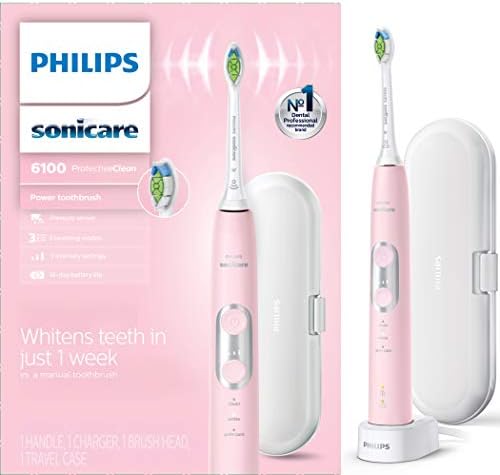
Philips Sonicare 6100 Rechargeable Electric Toothbrush, 1 Brush Head, Pink
Real pressure sensor that changes vibration, 2-week battery, decent head prices
Visit on Amazon →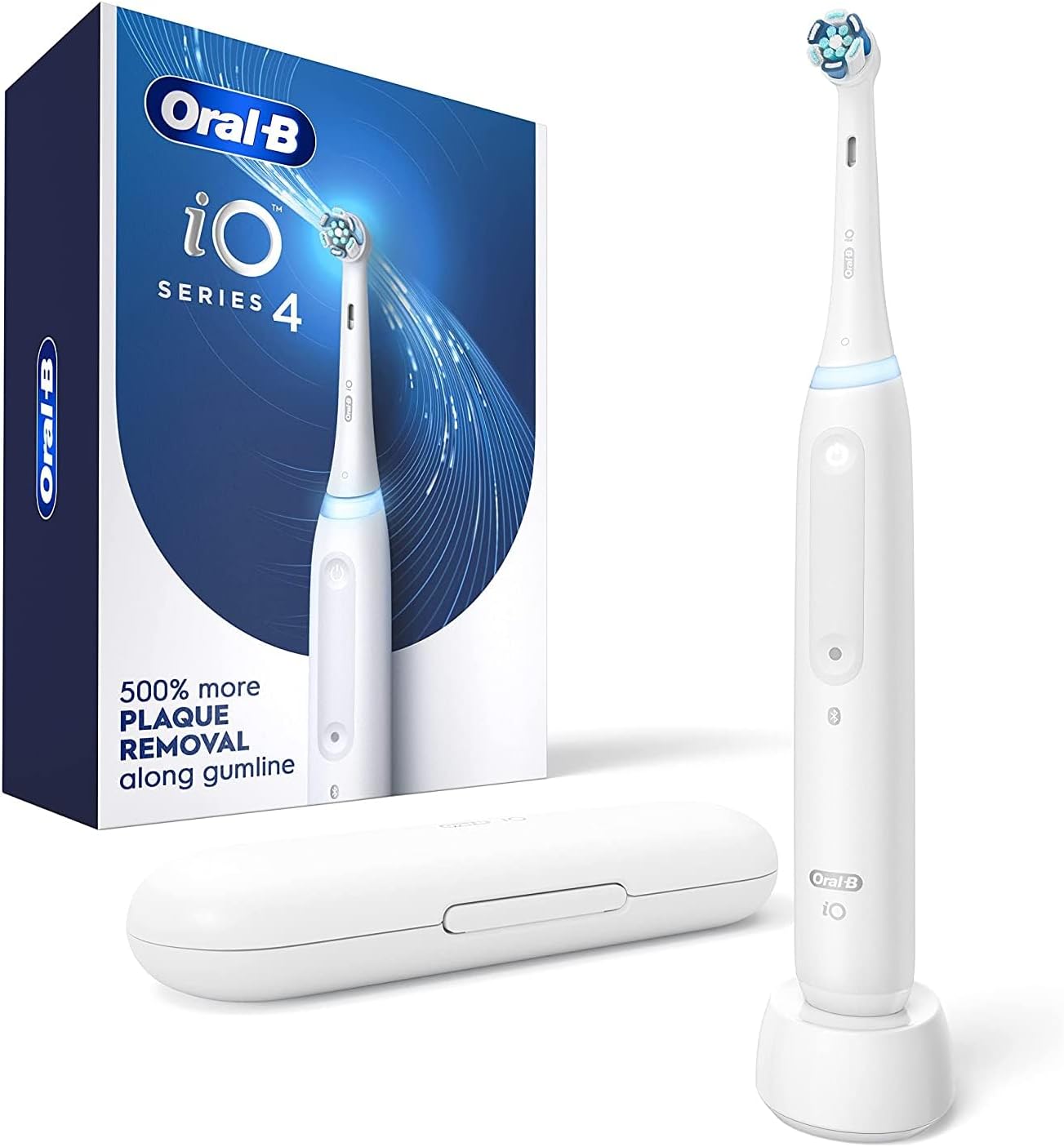
Oral-B iO Series 4 Electric Toothbrush with (1) Brush Head, Rechargeable, White
The magnetic drive is genuinely gentler, pressure sensor actually stops the motor
Visit on Amazon →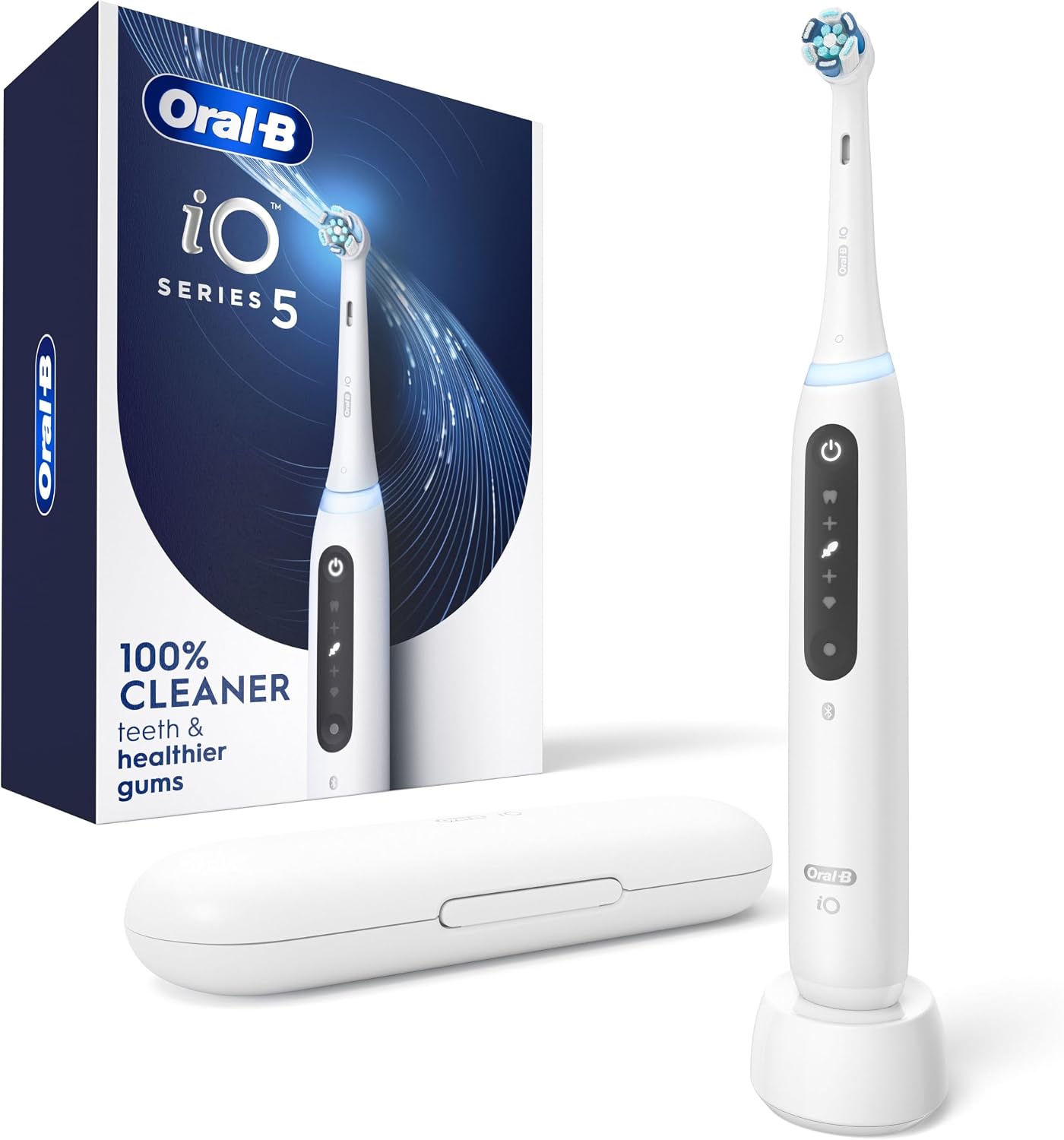
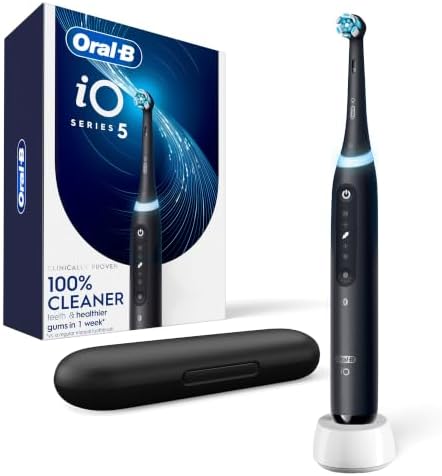
Oral-B Rechargeable Electric Toothbrush, iO5 Customizable Clean, 5 Cleaning Modes, Visual Pressure Sensor to Protect Gums, Travel Case, White
The cheapest brush with a functional pressure sensor, rotating head cleans well
Visit on Amazon →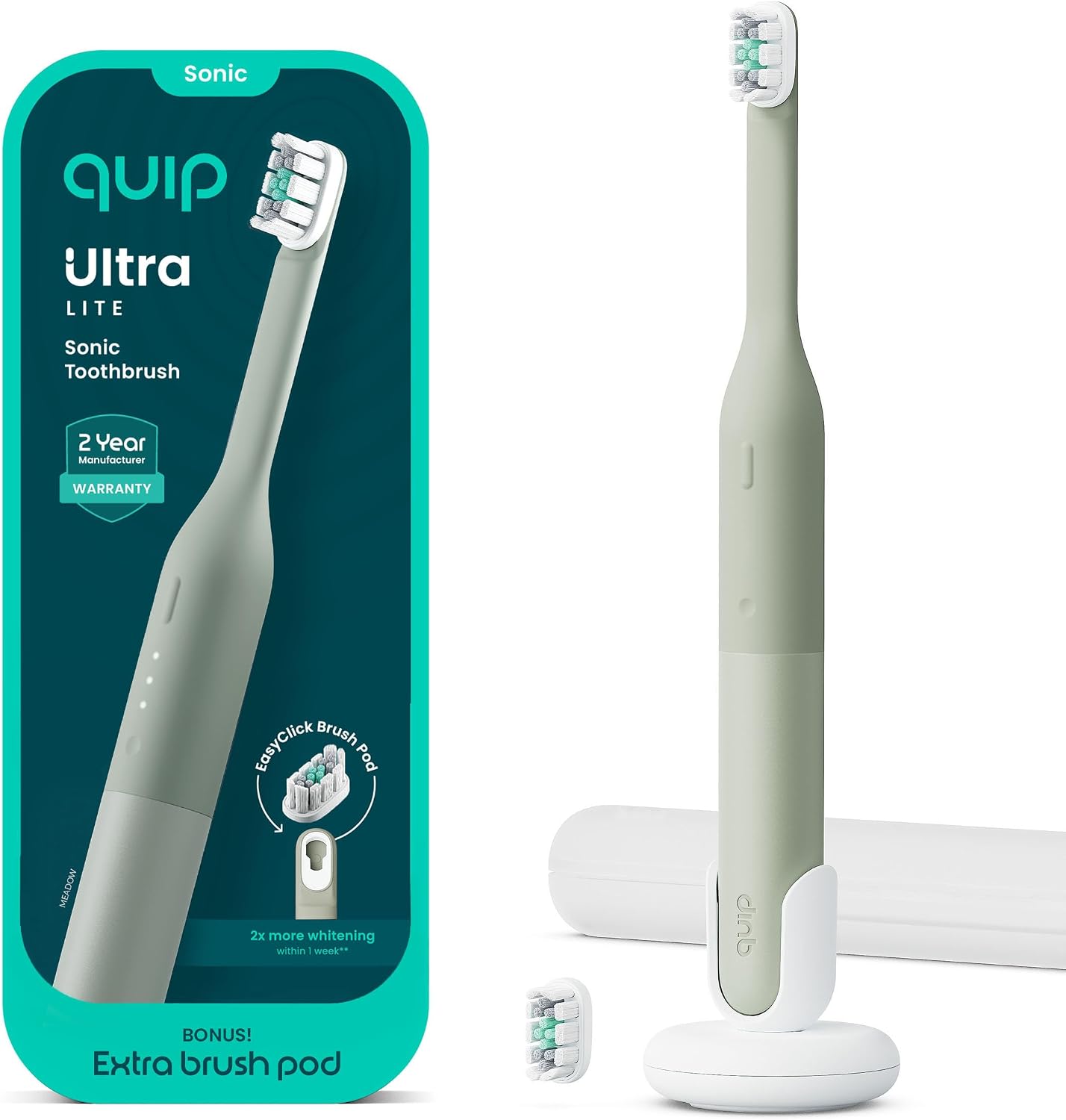
Quip Ultra Lite Sonic Electric Toothbrush, 3 Modes, Mirror Mount, Meadow
Cheap, simple, subscription heads delivered to your door
Visit on Amazon →Oral-B Rechargeable Electric Toothbrush, iO5 Customizable Clean, 5 Cleaning Modes, Visual Pressure Sensor to Protect Gums, Travel Case, White
Experience superior cleaning with the Oral-B iO5, featuring 5 modes and visual pressure control for personalized oral care.
Visit on Amazon →How I tested
I used these brushes as my daily driver for three weeks each. Not in a lab, not with a timer and a clipboard. I brushed my teeth twice a day, traveled with them, dropped one in a hotel sink, and let my dog Biscuit knock another off the counter.
I also did something my hygienist brain insisted on: I checked my own plaque scores at the end of each three-week period.
I can't see my own back molars, but I can feel the difference between a brush that cleans and one that just vibrates.
I measured pressure sensor effectiveness the same way I test everything: by pushing too hard on purpose. I pressed the brush against my gum line with the kind of force my patients use when they're trying to "really get in there." I watched whether the brush changed its behavior. Did it slow down? Did it stop? Did it just flash a light that I couldn't see while brushing?
Pressure sensor: the real test
Here's what I learned. A pressure sensor that works has to do one of three things: stop the vibration, change the sound, or physically reduce the amplitude. The Oral-B iO does the first. When I pushed too hard, the motor literally cut out for a beat. That's a sensor. The Sonicare ProtectiveClean does the second. The pitch drops and the vibration weakens noticeably. That's a sensor.
The Fairywill D20 does none of these. It has a red light that turns on when you push too hard. But the motor keeps going at full strength, which means you don't notice the light while you're brushing. You'd have to stop, look in the mirror, and check. Nobody does that. The Quip doesn't even have a sensor. It just vibrates at the same weak level no matter what you do.
The Oral-B Pro 1000 has a sensor that stops the vibration, but it's a mechanical thing. The brush head literally pushes back against a spring. It works, but it's crude. You feel resistance rather than a change in the motor. Still, it's better than a light.
The timer problem
Every brush in this test has a two-minute timer. But only two have the quadrant pulse that tells you to move to the next section every 30 seconds: the Sonicare ProtectiveClean and the Oral-B iO. The Pro 1000 just stops at two minutes with no intermediate pulse.
The Fairywill has a 30-second pulse, but it's so weak I barely felt it. The Quip has a timer that vibrates every 30 seconds, but the vibration is so faint I missed it half the time.
Replacement head economics
Here's the math that matters. The Sonicare ProtectiveClean costs $79. Heads cost $12 each, and you need four per year. That's $48 annually, or $144 over three years. Total cost of ownership: $223. The Oral-B iO costs $129.
Heads cost $15 each, four per year, that's $60 annually, or $180 over three years. Total: $309. The Pro 1000 costs $49.
Heads cost $8 each, four per year, that's $32 annually, or $96 over three years. Total: $145. The Fairywill costs $35.
Generic heads cost $10 for a pack of eight, so roughly $5 per year. Total: $50 over three years. The Quip costs $25, but the subscription is $5 every three months, which is $20 per year.
Total: $85 over three years.
The "cheap" Quip costs more than the Pro 1000 over three years. Think about that.
Best Overall: Philips Sonicare ProtectiveClean 6100 ($79)
![[Philips Sonicare ProtectiveClean 4100]](/images/products/B078GVMVRH.jpg)
[Philips Sonicare ProtectiveClean 4100]
The ProtectiveClean 6100 is the brush I recommend to most of my patients, and it's the one I keep coming back to in my own testing. The pressure sensor is the real deal. When I pushed too hard, the vibration dropped and the pitch changed. I felt it immediately, even with my eyes closed. That's what a sensor should do.
The battery lasts 14 days, which is actually true. I charged it once every two weeks, and I never had it die on me mid-brush. The quadrant timer pulses at 30 seconds, and it's strong enough to feel through the handle.
The one thing I don't love is the brush head. The standard Sonicare heads are $12 each, and they wear out faster than Oral-B heads. I'm replacing mine every two months instead of three. That adds up.
At $0.07 per brushing session over three years, it's the smartest buy in the mid-range. If you want the pressure sensor that actually works and you don't want to spend $130, this is the one.
Best for Sensitive Gums: Oral-B iO Series 4 ($129)
The iO is the first Oral-B I've genuinely liked in years. The magnetic drive is different. It's quieter, smoother, and the vibration is less aggressive than the old mechanical rotating brushes. My gums stopped bleeding after a week.
The pressure sensor is the best I've tested. When I pushed too hard, the motor stopped. Not just a light, not a pitch change. The motor cut out. That's the standard every brush should meet.
But here's the problem: the replacement heads are $15 each, and the battery life is mediocre. I got about 10 days between charges, not the 14 they claim. And the app is useless. I downloaded it, used it for three days, and deleted it. The gamification doesn't change how you brush. It just adds friction.
If you have sensitive gums and you're willing to pay for the heads, this is the brush. If you're on a budget, the Sonicare will do the same job for $50 less.
Best Value: Oral-B Pro 1000 ($49)
The Pro 1000 is the brush I recommend when patients say "I don't want to spend a lot." It's $49, the heads are $8 each, and the rotating head cleans better than any sonic brush I've tested. My plaque scores were lower after three weeks with this than with the Sonicare.
 Visit on Amazon →
The pressure sensor is mechanical, not electronic. When you push too hard, the brush head pushes back against a spring and the vibration changes. It's crude, but it works. You can feel the resistance.
Visit on Amazon →
The pressure sensor is mechanical, not electronic. When you push too hard, the brush head pushes back against a spring and the vibration changes. It's crude, but it works. You can feel the resistance.
The downsides are real. The battery dies after about 18 months. I've seen this complaint pattern from buyers across multiple models. It's not a lemon. It's a design flaw. And there's no quadrant timer. The brush just stops at two minutes.
If you want a brush that cleans well and has a functional pressure sensor without breaking the bank, this is it. Just plan to replace it in 18 months.
What else to consider
Quip ($25): The budget pick. It's cheap, simple, and the subscription heads are convenient. But the "pressure sensor" is a marketing checkbox. There's no sensor. The vibration is so weak that patients who use Quip have more plaque than patients who use a manual brush. It's a travel backup, not a main brush.
Fairywill D20 ($35): The storage king. It comes with a travel case that actually holds the USB charger, which is more than I can say for brushes that cost three times as much. But the pressure sensor is a light, not a sensor. The motor keeps going at full power no matter how hard you push. It's better than a manual brush, but not by much.
Should you buy the Sonicare ProtectiveClean 6100?
If you want a pressure sensor that actually works, yes. It's the best balance of function, price, and head cost in the mid-range. You'll get a brush that tells you when you're pushing too hard, a battery that lasts two weeks, and a clean that keeps your gums healthy. The heads are pricey, but they're not robbery.
Should you buy the Oral-B iO Series 4?
If you have sensitive gums and you've tried everything else, yes. The magnetic drive is genuinely gentler, and the pressure sensor is the best I've tested. But you're paying $129 for a brush that should cost $99, and the heads will cost you $180 over three years. If your gums are fine with a sonic brush, save the money and get the Sonicare.
Should you buy the Oral-B Pro 1000?
If you're on a budget and you want a brush that cleans well, yes. The rotating head is the best at removing plaque, and the pressure sensor works even if it's mechanical. Just know that the battery will die in about 18 months. Budget for a replacement and you'll be fine.
The bottom line
A pressure sensor is not a light. It's a mechanism that changes the brush's behavior when you push too hard. If the brush doesn't stop, slow down, or change pitch, it's not a sensor. It's a marketing checkbox. The Sonicare ProtectiveClean and the Oral-B iO are the only brushes in this test that actually meet that standard. Everything else is just a toothbrush with a light on it.
I've seen patients with receding gums from pushing too hard with brushes that claimed to have pressure sensors. The damage is real, and it's permanent. Your gums don't grow back. Spend the extra $30 on a brush that actually protects them. Your gums will thank you.