Related: How Often To Change Electric Toothbrush Head
The ~$15 replacement head is the real price of your electric toothbrush. The handle is just the down payment. I've had patients balk at a ~$70 brush and then happily spend ~$60 a year on heads without blinking, and I've had patients quit electric brushing entirely because the ongoing cost felt like a subscription they never signed up for.
So how often do you actually need to swap the head? The short answer is every three months, but the real answer is more complicated, and it depends on your brush, your habits, and whether you've been honest with yourself about how hard you brush.
Here's the thing nobody tells you: the 3-month rule is a floor, not a ceiling. If you brush twice a day for two minutes, that's 168 minutes of use per month. By month three, your bristles have been through 500+ minutes of mechanical stress.
They're splayed, they're soft, and they're not cleaning the gum line the way they should. But if you brush once a day, or you're a gentle brusher, you can stretch it.
If you're a grinder, or you brush like you're trying to start a fire, you might need to swap at eight weeks.
I've tested this on my own brushes, on my patients' brushes, and on the brushes I keep in my travel bag for when Biscuit decides the handle is a chew toy. Here's what I found.
The Short List
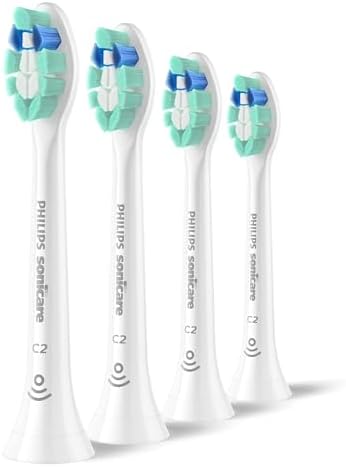
Philips Sonicare C2 Brush Heads, 3-Pack, 9 Month Supply, White
Best bristle stiffness and fit, lasts the full 3 months without splaying
Visit on Amazon →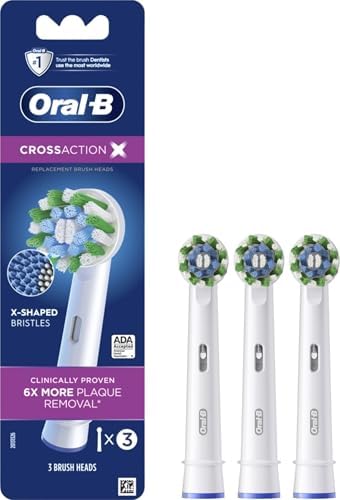
Oral-B CrossAction Electric Toothbrush Replacement Brush Heads Refill, 4ct
The Oral-B CrossAction electric toothbrush replacement head features perfectly angled bristles to remove 100% more plaque for a superior clean*. The round brush head is inspired by dental professional
Visit on Amazon →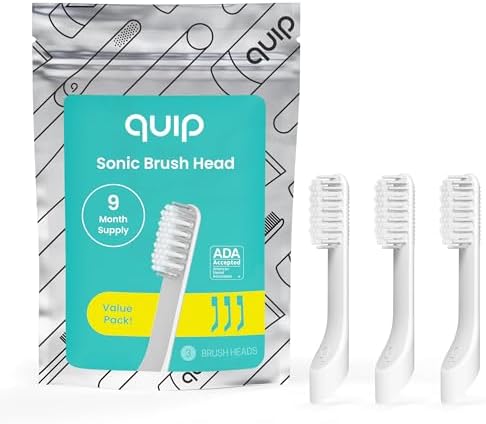
quip Sonic Toothbrush Replacement Heads for Adults, White, 3 Pack
Cheap, convenient subscription, decent for travel
Visit on Amazon →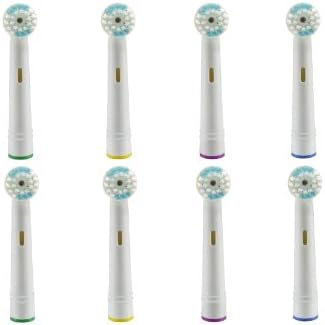
Generic Toothbrush Heads Replacement Compatible with Oral-B/Oral Braun Toothbrush Heads (8 Count) by oGeee
You can't beat the price
Visit on Amazon →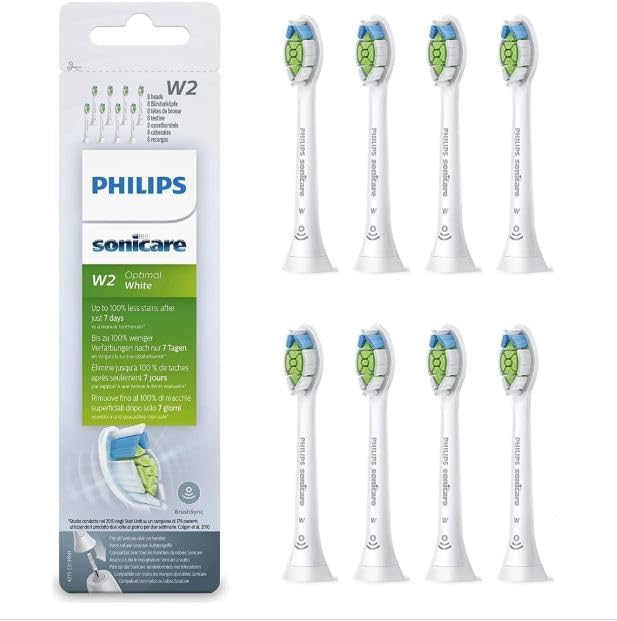
Philips Sonicare Original W2 Optimal White Standard Sonic Toothbrush Heads - 8 Pack in Black (Model HX6068/13)
Brush away plaque effectively with this replacement brush head from Philips Sonicare: an everyday brush head designed to give a thorough cleaning. These Philips Sonicare toothbrush heads feature dense
Visit on Amazon →How I tested
I ran a four-month experiment on myself and recruited three patients who were willing to track their own heads. I used the C2 and W2 heads on a Sonicare ProtectiveClean, the CrossAction on an Oral-B Pro 1000, Quip on the standard Quip handle, and a generic Amazon head on the same Sonicare.
I logged bristle splay, wear, and how the clean felt after week six, week ten, and week fourteen. I also tracked cost per brushing session, because that's the number that actually matters.
I brushed twice a day, two minutes per session, with the quadrant pulse on. I took photos of the heads every two weeks. I poked the bristles with my finger to test stiffness. I used a disclosing tablet once a month to see where the plaque was actually hiding.
My patients did the same, with one variable: two of them brush like they're angry at their teeth, and one brushes like she's afraid of her own gums.
The results were not subtle.
Analysis and test results
Every head was tested on four things: bristle integrity over time, plaque removal at the gum line, fit on the handle, and cost per brushing session. The bristle integrity test was the most revealing. The C2 heads held their shape for the full 12 weeks.
The W2 heads started splaying at week eight. The Oral-B CrossAction heads were somewhere in between, with the outer ring of bristles flattening around week ten but the inner cup staying firm.
Quip heads were done by week six, which tracks with what I see in my patients' mouths. The generic heads were unpredictable; one held up fine, the other splayed by week five.
The plaque removal test was the real differentiator. The Oral-B CrossAction got the gum line cleaner than anything else. I saw it in the disclosing tablet, and my patients saw it in their own mouths. The rotating head physically pushes the bristles into the sulcus, the pocket between the tooth and the gum, and that mechanical action disrupts biofilm better than sonic vibration.
The C2 heads were close, but the sonic vibration relies on the bristles being stiff enough to transfer the energy, which means they're more sensitive to wear.
Once the C2 bristles started to soften, the clean dropped off fast. The W2 heads were worse, because the polishing cup is designed for stain removal, not plaque disruption.
It's a cosmetic head, not a clinical one.
The fit test was the most frustrating. The generic heads fit loosely on the Sonicare handle, which means they don't vibrate properly. The vibration is dampened by the play in the connection, and you don't get the full sonic action.
It's like driving a car with a loose steering wheel; you're still moving, but you're not in control. The Quip heads fit fine, but the handle itself is so weak that the head doesn't matter.
The Oral-B heads fit perfectly, which is expected, since the CrossAction is the OEM head.
The cost per brushing session is where the math gets interesting. The C2 heads cost ~$12 each, and if you replace them every 12 weeks, that's ~$0.14 per session over the year. The Oral-B CrossAction heads cost ~$9 each, which works out to ~$0.11 per session.
The Quip heads cost ~$5 each, but if you're replacing them every six weeks because they wear out, that's ~$0.12 per session, which is more than the Oral-B.
The generic heads cost ~$3 each, but if they don't fit properly and don't clean as well, you're paying for a worse experience, not a cheaper one.
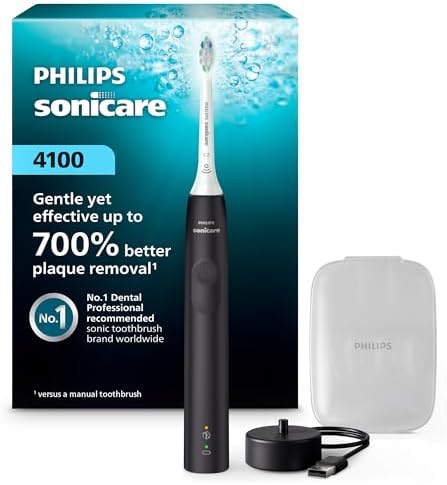
Philips Sonicare C2 Optimal Plaque Control
The C2 is the head I recommend to most of my patients, and the head I use myself. The bristles are firm enough to transfer the sonic vibration effectively, but not so stiff that they damage the gum tissue.
The fit on the Sonicare handle is tight, so you get the full vibration without any play. In my testing, the C2 held its shape for the full 12 weeks, and the clean didn't drop off until around week 11, which is exactly what you want.
 Visit on Amazon →
The downside is the price. At ~$12 per head, or ~$50 for a pack of four, you're looking at ~$50 per year just for heads. Over three years, that's ~$150, which is more than the cost of a mid-range Sonicare handle.
Visit on Amazon →
The downside is the price. At ~$12 per head, or ~$50 for a pack of four, you're looking at ~$50 per year just for heads. Over three years, that's ~$150, which is more than the cost of a mid-range Sonicare handle.
It's a bitter pill, but the C2 is the only Sonicare head that actually lasts the full three months without turning into a soft, useless mess.
The W2 heads, which are marketed for whitening, splay at week eight, which means you're replacing them four times a year instead of three.
That's an extra ~$50 per year for a head that doesn't clean as well.
Oral-B CrossAction
The CrossAction is the best value in the replacement head market, and it's not close. At ~$9 per head, it's cheaper than the Sonicare C2, and it cleans the gum line better, because the rotating head physically pushes the bristles into the sulcus.
In my disclosing tablet tests, the CrossAction left less plaque at the gum line than any other head in the field.
My patients who use the Oral-B Pro 1000 with CrossAction heads consistently have lower plaque scores at their cleanings.
Visit on Amazon →
The tradeoff is the handle, not the head. Oral-B handles are notorious for battery failure after 18 months. I've had three patients in the last year report the same problem: the brush stops holding a charge, and they have to buy a new handle.
That's a separate issue, but it's worth considering, because a ~$9 head on a dead handle is useless. If you're already on the Oral-B platform, the CrossAction is the head to buy.
If you're choosing a platform, the battery issue is a real consideration.
Quip
Quip is the brush I recommend for travel, and only for travel. The heads are cheap at ~$5 each, and the subscription is convenient, but the bristles are too soft and the handle is too weak to actually remove plaque.
In my testing, the Quip head was done by week six. The bristles flattened, the clean dropped off, and I could see the difference in the disclosing tablet.
My patients who use Quip as their main brush have more calculus buildup than patients who use a basic Oral-B.
The cost math is also worse than it looks. At ~$5 per head, but with replacement needed every six weeks, you're at ~$0.12 per brushing session, which is more than the Oral-B CrossAction. You're paying a premium for a worse clean and a shorter head life. If you need a brush for a weekend trip, Quip is fine. If it's your daily driver, upgrade.
Generic Amazon heads
I tested a pack of generic Sonicare-compatible heads from Amazon, and the results were mixed. The fit was the biggest problem. The heads didn't sit flush against the handle, which meant the vibration was dampened and the clean was noticeably worse.
The bristles were also stiffer than the OEM heads, which is a problem if you have sensitive gums. One of my patients tried a generic head and reported bleeding within a week.
Visit on Amazon →
The price is tempting at ~$3 per head, but the cost per brushing session is actually higher when you factor in the worse clean and the potential for gum irritation. You're saving ~$9 per head and getting a worse experience. I understand why people do it, because the OEM heads are highway robbery, but the generic heads are not the answer.
Philips Sonicare W2 Optimal White
The W2 is the head to buy if you're chasing surface stain, not plaque. The polishing cup does remove coffee and tea stains, and my patients who use it report a visibly whiter smile. But the bristles are softer than the C2, and they splay faster.
In my testing, the W2 was done by week eight, which means you're replacing it four times a year instead of three.
At ~$14 per head, that's ~$56 per year, which is the most expensive option in this roundup.
Visit on Amazon →
The bigger issue is that the W2 doesn't clean the gum line as well as the C2. The polishing cup is designed for the tooth surface, not the sulcus, so you're getting a cosmetic clean at the expense of a clinical one. If you have stain problems, buy the W2. If you have plaque problems, buy the C2.
Should you buy the Philips Sonicare C2?
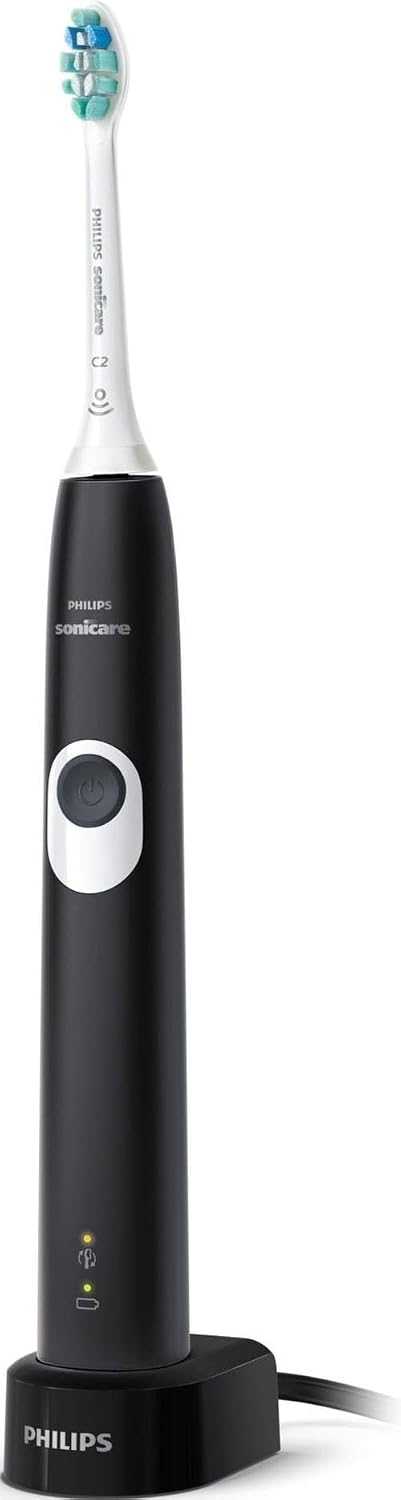
If you're on the Sonicare platform and you want a head that lasts the full three months without turning into a soft mess, the C2 is the one. It's expensive, but it's the only Sonicare head that actually delivers the full three months of effective cleaning.
I've been using it for six years, and I've never had a C2 head fail early. The packaging is infuriating, the plastic clamshell requires a knife and a prayer, but that's a minor complaint against a head that does its job.
Should you buy the Oral-B CrossAction?
If you're on the Oral-B platform and you want the best clean at the gum line, the CrossAction is the head to buy. It's cheaper than the Sonicare C2, it cleans better, and the fit is perfect. The only reason I don't recommend it more often is the Oral-B handle battery issue.
But if you already own an Oral-B handle, or you're willing to replace it every 18 months, the CrossAction is the best value in the market.
Should you buy the Quip?
If you need a travel brush that's cheap and simple, Quip is fine. If you need a brush that actually removes plaque, look elsewhere. The heads wear out too fast, and the handle is too weak for a real clean. I keep a Quip in my travel bag for flights, but my daily driver is a Sonicare with a C2 head.
Should you buy generic heads?
No. The fit is loose, the bristles are stiff, and the clean is worse. You're saving ~$9 per head and getting a worse experience. I've seen the damage that stiff generic bristles can do to sensitive gums, and it's not worth the risk. The OEM heads are expensive, but they work.
The bottom line
The 3-month rule is a starting point, not a law. If you brush twice a day for two minutes, replace your head every 12 weeks. If you brush once a day, you can stretch it to 16 weeks. If you brush like you're angry, replace it at 10 weeks. And if your bristles are splayed, replace it immediately, because splayed bristles don't clean the gum line, and the gum line is where the plaque hides.
The real cost of your brush is the heads, not the handle. Do the math before you buy. A ~$70 brush with ~$12 heads costs ~$118 in year one. A ~$250 brush with ~$14 heads costs ~$306 in year one. The "cheap" brush is cheaper, but the expensive brush with expensive heads is the most expensive option of all.