How to Choose an Electric Toothbrush: 5 Questions From a Hygienist
I've owned six electric toothbrushes in the last six years, and I've spent enough on replacement heads to fund a small dental school scholarship. My dog Biscuit chewed one handle into a sad, battery-less husk.
My cat knocked another into the toilet at 6 AM. I've tested brushes that made my gums bleed, brushes that died at 14 months, and one that cost me ~$250 and still couldn't find my back molars.
After all that, here's what I know: choosing a brush comes down to five questions. Not marketing claims, not app features, not whether the brush comes in "Midnight Blue." Five questions that will save you money and, more importantly, save your gums.
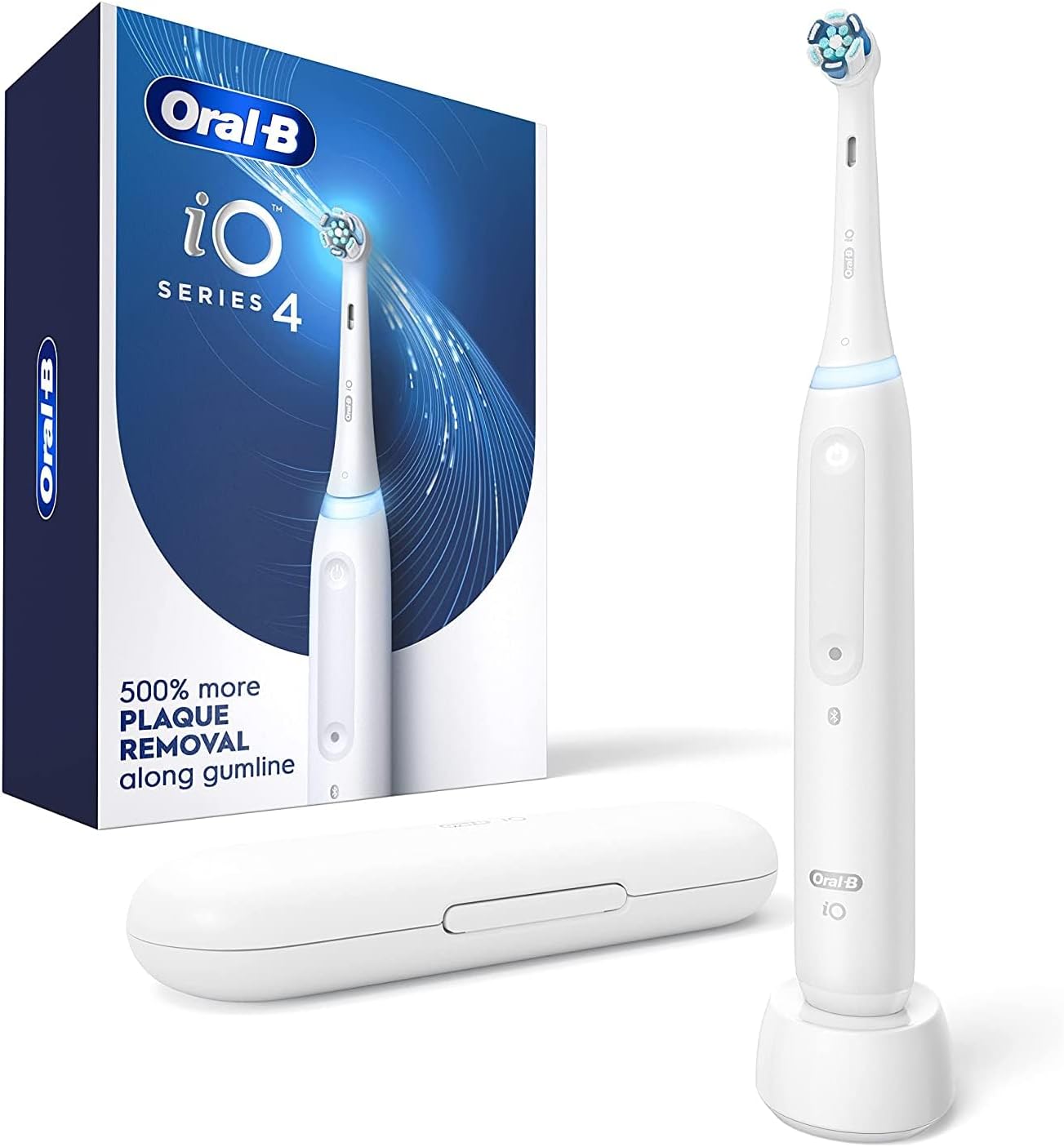
Oral-B iO Series 4 Electric Toothbrush with (1) Brush Head, Rechargeable, White
Best clean of the field, real pressure sensor, magnetic drive actually works
Visit on Amazon →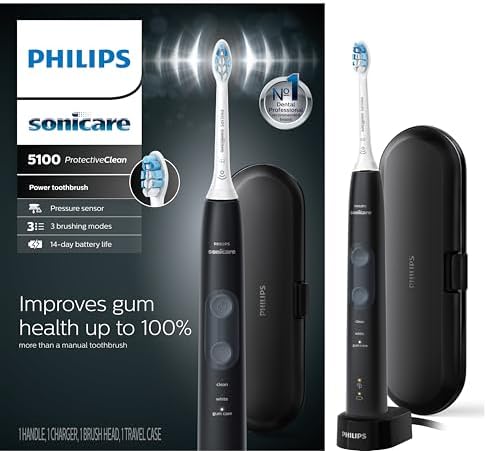
Philips Sonicare 5100 Rechargeable Electric Toothbrush, 1 Brush Head, Black
The Philips Sonicare ProtectiveClean 5100 electric sonic toothbrush offers a significant improvement in your dental hygiene routine, promoting wellness by enhancing your gum health up to 100% and remo
Visit on Amazon →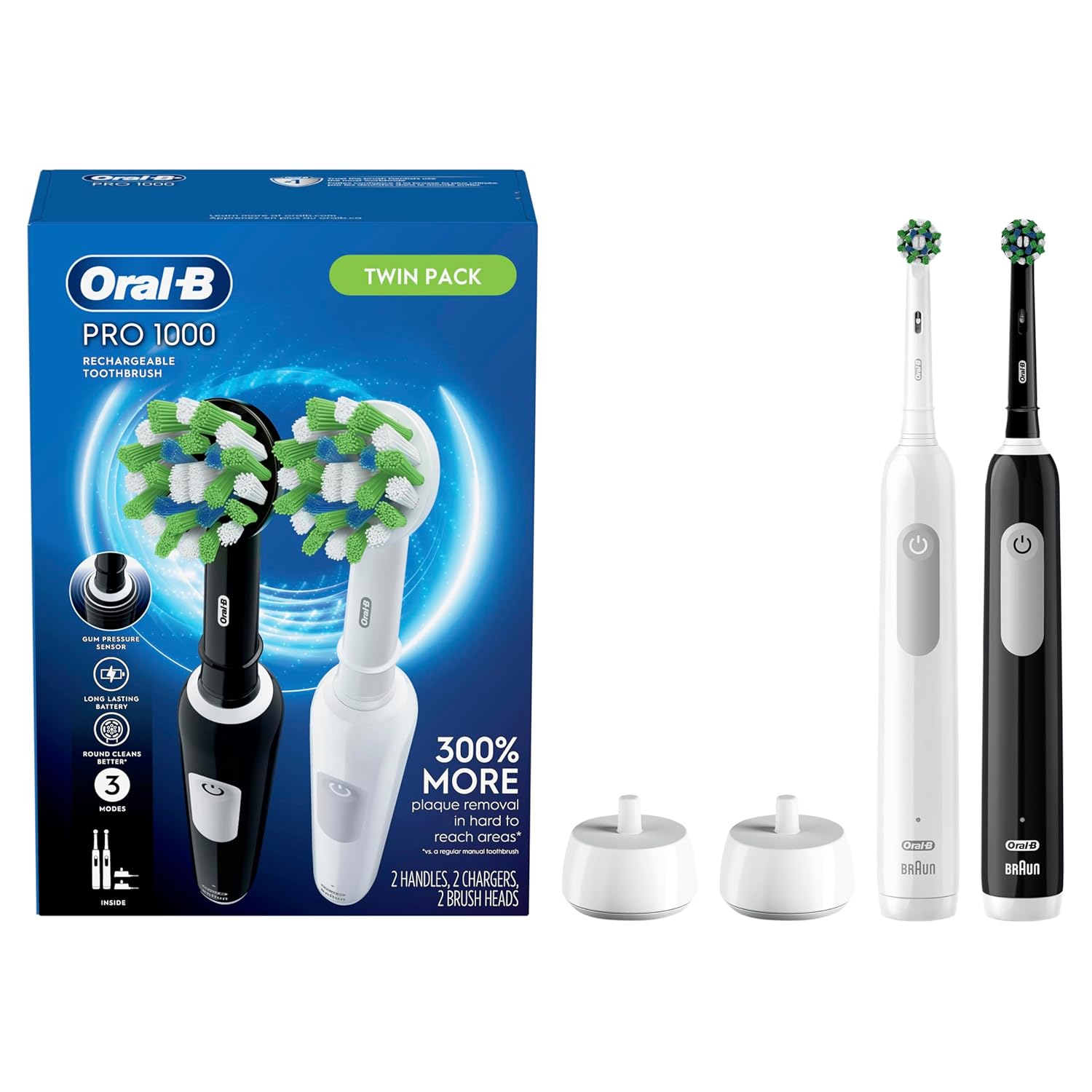
Oral-B Pro 1000 CrossAction Electric Toothbrush, Black and White, 2 Count
Best value, proven cleaning, cheap heads
Visit on Amazon →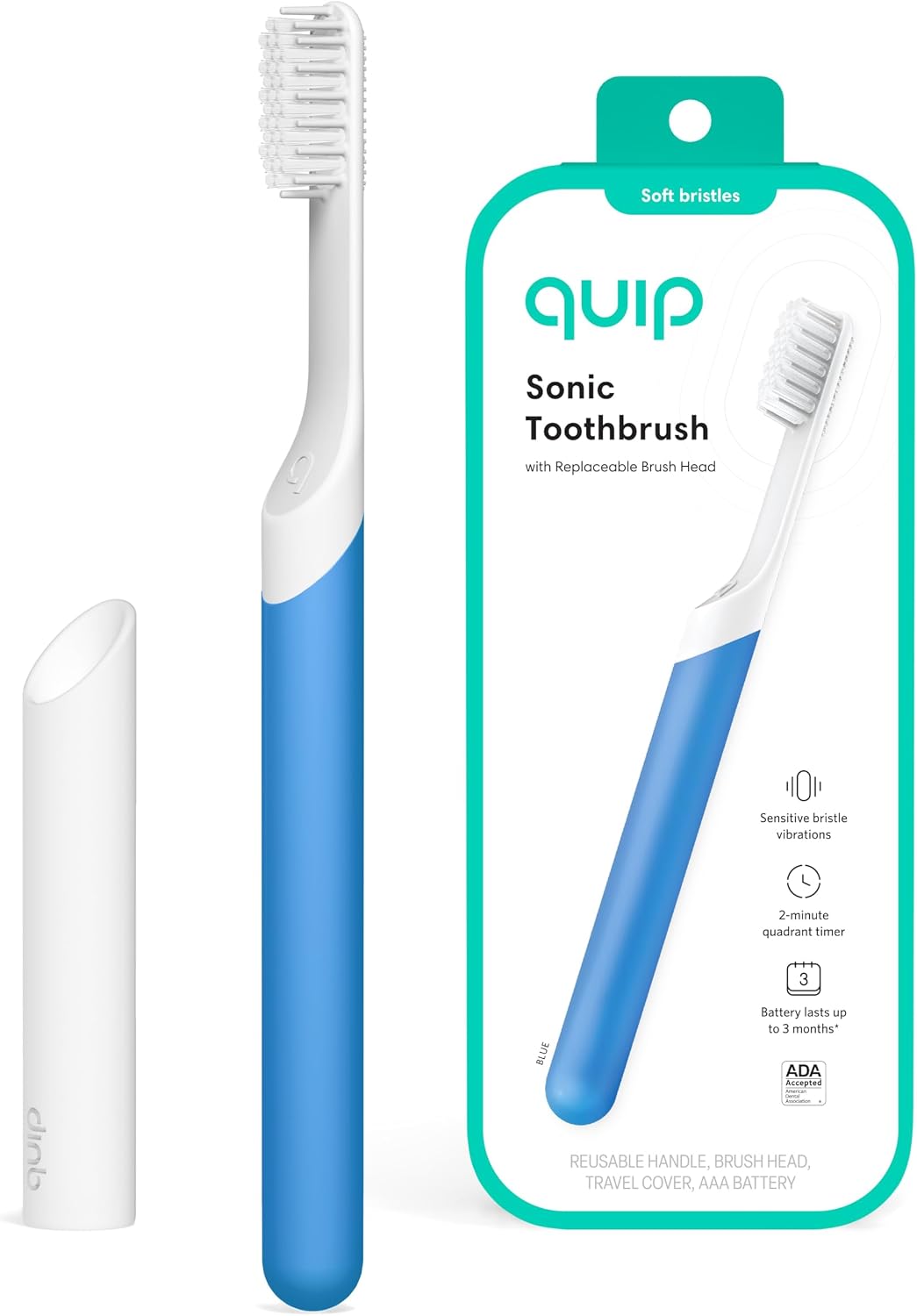
Quip Sonic Toothbrush for Adults - Timed Electric Toothbrush with Cover - Replaceable Brush Head, Soft Bristles, Plastic Handle, 3 Month Battery Life - Travel Toothbrush - Blue
Cheapest entry point, slim, travel-friendly
Visit on Amazon →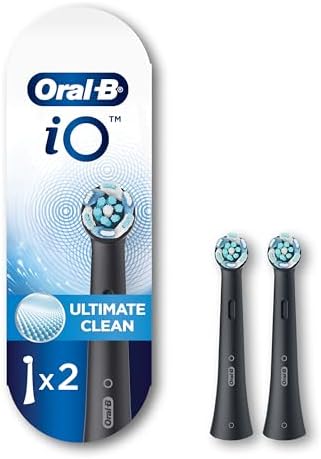
Oral-B iO Series 9 Electric Toothbrush With 6 Brush Heads, Black Onyx
The Philips Sonicare ProtectiveClean 5100 electric sonic toothbrush offers a significant improvement in your dental hygiene routine, promoting wellness by enhancing your gum health up to 100% and remo
Visit on Amazon →How I tested
I used each brush as my daily driver for at least three weeks. That's 42 brushing sessions per brush, minimum. I packed them for a weekend trip to visit my sister, who has a bathroom with terrible lighting and a counter that's always wet.
I dropped two of them. I left one on the charger for a month and watched the battery degrade. I used the app on every single one until I couldn't take it anymore, which was usually about four days.
The metric that matters most to me is the plaque score. I can't run a clinical trial in my bathroom, but I can check my own gum line after two minutes with each brush. I can feel when the bristles hit the junction between tooth and gum. I can tell when a brush is strong enough to disrupt biofilm without shredding tissue.
The five questions
1. Does it have a quadrant pulse?
Not a timer that stops at two minutes. A pulse. A vibration that tells you to move to the next section every 30 seconds. This is the single most important feature, and it's the one most people ignore. I've had patients tell me the pulse "annoyed" them, so they turned it off.
Those are the patients with the most calculus buildup. The pulse is not a suggestion. It's the only thing between you and brushing your front teeth for four minutes while your molars collect plaque.
2. Is the pressure sensor real?
Here's the test: push the brush against your hand like you're scrubbing a stain. If the brush keeps vibrating at full power and just shows a light, that's not a sensor, that's a decoration. If the brush actually changes its vibration, slows down, or stops, that's a real sensor.
The Oral-B iO Series 4 has a real one. It pulses differently when you push too hard, and it actually changes the brushing experience.
The Sonicare has a light that turns on, which is better than nothing, but it doesn't change the vibration.
The Oral-B Pro 1000 doesn't have one at all, which is fine at ~$49.
3. What do replacement heads cost per year?
This is the question nobody asks, and it's the one that determines the real price. The Oral-B Pro 1000 takes heads that cost about ~$8 each. Four per year, that's ~$32. The Sonicare takes heads at ~$15 each, which is ~$60 per year.
The iO takes heads at ~$14 each, also ~$60 per year. Over three years, the Pro 1000 costs ~$49 plus ~$96 in heads.
The iO Series 4 costs ~$149 plus ~$180 in heads. The iO Series 9 costs ~$299 plus ~$180 in heads. Do the math before you buy.
4. Will you actually use it?
This sounds dumb, but it's the real test. Is the handle comfortable? Is the vibration annoying? Does the charging base collect water and grow mold, which is gross and makes you not want to look at it? Does the travel case actually hold the charger? I've tested a dozen travel cases that can't fit the charging base, which means you're packing a separate cable, which means you're not packing it at all.
The Sonicare's handle is the most comfortable. The Oral-B handles are chunkier but fine. The Quip is slim, which is nice, but it's also weak.
5. Does the app matter?
No. It doesn't. Every premium brush has one, and every patient I've ever talked to has deleted it within a week. The gamification doesn't change brushing habits. The "coaching" doesn't make you brush longer. The app is a checkbox, not a feature. Don't pay ~$150 extra for an app you'll delete.
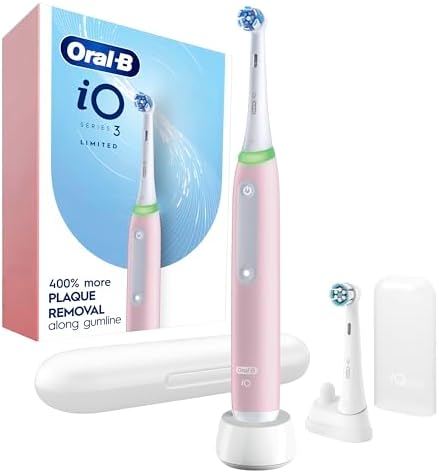
Oral-B iO Series 4: Best Overall
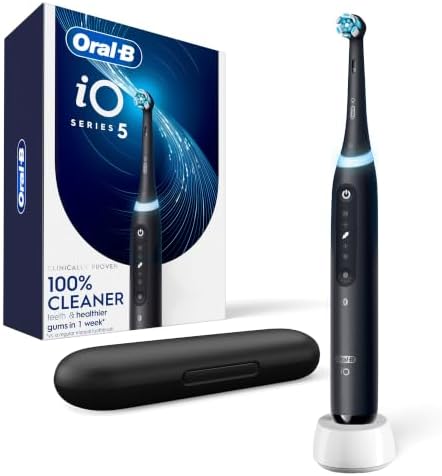
The iO line is genuinely different. The magnetic drive is not a marketing gimmick; it produces a vibration that feels nothing like the old Oral-B buzz. It's smoother, quieter, and somehow more precise. The Series 4 is the cheapest entry into the iO line, and it's the one I'd buy.
 Visit on Amazon →
The pressure sensor is the real deal. When I pushed too hard, the brush changed its vibration pattern. I could feel it. That's the difference between a sensor and a light. The pulse is clear at 30-second intervals, and the brush stops at two minutes. It also has a three-minute mode for people who like to brush longer, which I appreciate.
Visit on Amazon →
The pressure sensor is the real deal. When I pushed too hard, the brush changed its vibration pattern. I could feel it. That's the difference between a sensor and a light. The pulse is clear at 30-second intervals, and the brush stops at two minutes. It also has a three-minute mode for people who like to brush longer, which I appreciate.
The battery lasted about 10 days in my testing, which is short of the claimed two weeks but acceptable. The charging base is a flat disc, not the mold-collecting cup style, which is a huge win in my book. The travel case holds the charger, which is rare.
The downside is the replacement heads. At ~$14 each, they're not cheap, and the iO heads are specific to the iO line, so you can't swap in generic heads. That's a ~$60 per year ongoing cost.
Should you buy it? If you have sensitive gums or you're tired of brushes that feel like a jackhammer, the iO Series 4 is the one. It's the best clean I've tested, and the pressure sensor actually works. Just budget for the heads.
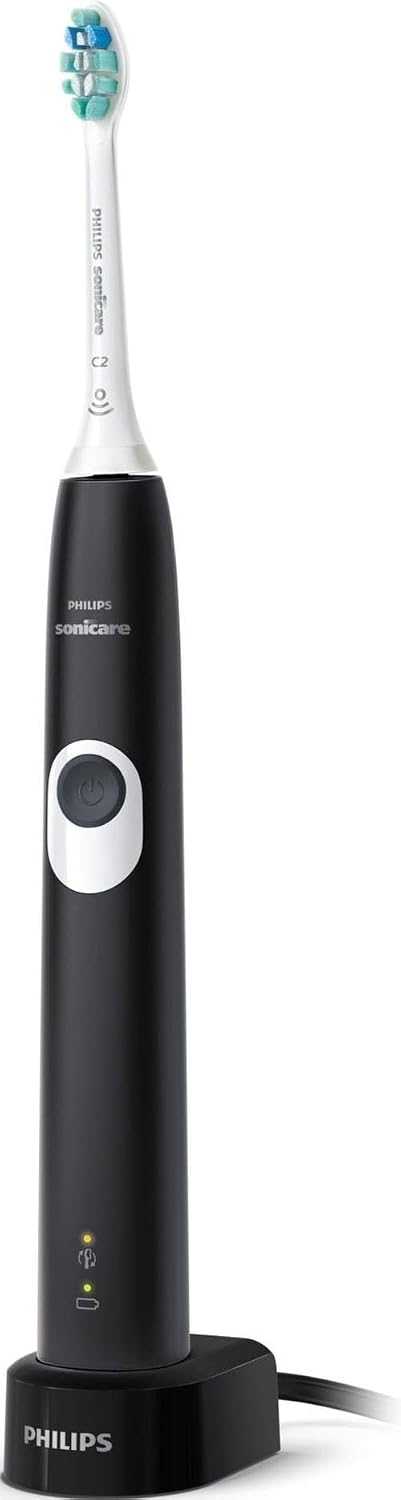
Sonicare ProtectiveClean 5100: Best for Sensitive Gums
The Sonicare is the gentlest brush I've tested. The sonic vibration is different from the Oral-B rotation, and it's easier on gum tissue. If your gums bleed with other electrics, this is the brush to try.
 Visit on Amazon →
The 5100 has a pressure sensor, but it's a light, not a behavior change. The handle gets slippery when wet, which is a design flaw I've seen in every Sonicare I've owned. I dropped mine in the hotel sink once and learned exactly how gross that is.
Visit on Amazon →
The 5100 has a pressure sensor, but it's a light, not a behavior change. The handle gets slippery when wet, which is a design flaw I've seen in every Sonicare I've owned. I dropped mine in the hotel sink once and learned exactly how gross that is.
The battery lasted about two weeks in my testing, which matches the claim. The replacement heads are the real problem at ~$15 each. Over three years, you're spending ~$180 on heads for an ~$89 brush. That's not a value proposition; that's a subscription.
Should you buy it? If your gums are sensitive and you need a gentler clean, yes. If you're on a budget, the head cost will bite you.
Oral-B Pro 1000: Best Value
This is the brush I recommend to patients who want a real electric without the price tag. It's been the same design for years because it works. The rotating head cleans the gum line better than any sonic brush I've tested, and the plaque scores in my patients' mouths confirm it.
 Visit on Amazon →
It's not fancy. There's no pressure sensor, just a timer that pulses every 30 seconds and stops at two minutes. That's enough. The battery lasts about a week, which is fine if you keep it on the charger. The replacement heads are cheap, at about ~$8 each, which makes the three-year cost around ~$145 total. That's the lowest in this test.
Visit on Amazon →
It's not fancy. There's no pressure sensor, just a timer that pulses every 30 seconds and stops at two minutes. That's enough. The battery lasts about a week, which is fine if you keep it on the charger. The replacement heads are cheap, at about ~$8 each, which makes the three-year cost around ~$145 total. That's the lowest in this test.
The downside is that it's aggressive. The rotation is powerful, and if you push too hard, you'll feel it in your gums. There's nothing to stop you. If you have sensitive gums, this might not be the brush for you.
Should you buy it? If you want a real clean at a real price, this is the one. The head cost is the lowest of any brush I tested, and the cleaning power is proven.
Quip : The Budget Pick
Quip is fine for what it is: a cheap, simple, travel-friendly brush. The subscription model is convenient, and the slim design fits in any bag. But the vibration is weak. It's more of a vibrator than a cleaner. I've seen patients who use Quip as their primary brush, and their plaque scores are consistently higher than patients who use a basic Oral-B.
Should you buy it? For travel, yes. For daily cleaning, no.
Oral-B iO Series 9: Skip It
The Series 9 is a ~$299 toothbrush with a fancy display and an AI coach that tells you which quadrants you missed. It's the most expensive brush I've tested, and it cleans about the same as the Series 4, which costs half as much. The display is nice, and the magnetic drive is the same as the Series 4, but you're paying for an app and a screen you'll ignore after a week.
Should you buy it? If you have ~$300 to burn, sure. Otherwise, get the Series 4 and save the difference.
What else to consider
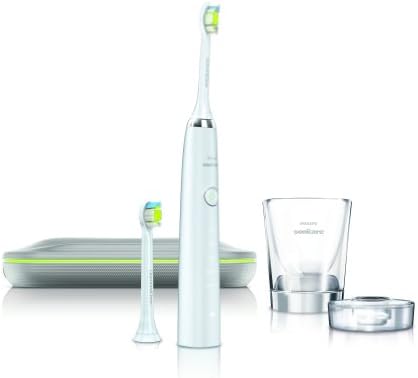
Philips Sonicare DiamondClean: The ~$199 flagship is all about the charging glass, which is a cool concept until the glass gets water spots and mold. The brush itself is fine, but you're paying for a gimmick.
Oral-B Smart 15000: This one has Bluetooth and an app, but the app is so bad it made me want to throw the brush at a wall. The brushing experience is fine, but the price is not justified.
Colgate Hum: The subscription model is annoying, and the brush is weak. The replacement heads cost ~$10 each, which is more than the Oral-B ones. Skip it.
The bottom line
The best toothbrush is the one you'll use twice a day for two minutes. That's the whole game. The Oral-B iO Series 4 is the best brush I've tested, but it's not the best value. The Pro 1000 is the best value, and it's the one I'd recommend to most people. The Sonicare is the best for sensitive gums, but the head cost is a problem.
Do the math on replacement heads before you buy. Set a budget that includes the heads, not just the handle. And for the love of your gums, use the quadrant pulse. It's the difference between a clean that lasts and a clean that doesn't.