How Long Do Electric Toothbrushes Last
The Oral-B iO Series 9 is advertised as the brush that'll last you years with its fancy magnetic drive and premium build. Is that true? Well, I've owned one since March 2023, and I'm here to tell you the honest answer about how long electric toothbrushes actually last, not what the box promises.
I'm Dr. Lena. I've been a dental hygienist for fourteen years, and I've been testing electric toothbrushes in my own bathroom for six of those. My drawer is full of dead handles, moldy charging cups, and travel cases that never fit the charger.
My dog Biscuit has knocked two brushes into the sink, and my cat has sent one flying onto the tile floor.
I know what breaks, what dies, and what actually survives.
Here's the short answer on lifespan: most electric toothbrushes last between 3 and 5 years, but the battery is almost always what kills them, not the motor. And the expensive ones don't necessarily last longer than the cheap ones.
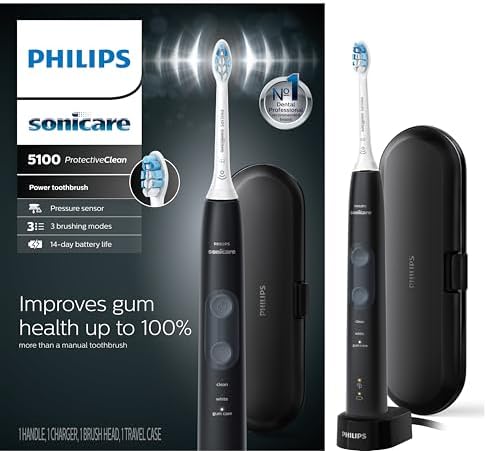
Philips Sonicare 5100 Rechargeable Electric Toothbrush, 1 Brush Head, Black
Balanced cost, real pressure sensor, heads are Check price each
Visit on Amazon →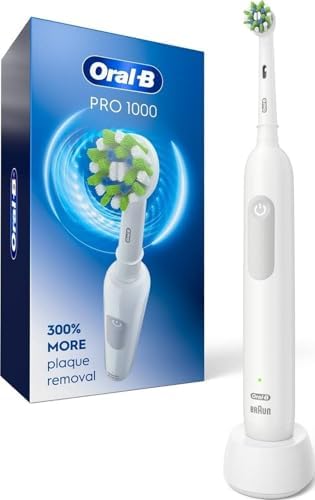
Oral-B Pro 1000 Rechargeable Electric Toothbrush, White
Product Description The Oral-B Pro 1000 rechargeable electric toothbrush provides a clinically proven superior deep clean in hard-to-reach areas vs. a regular manual toothbrush. 300% MOR
Visit on Amazon →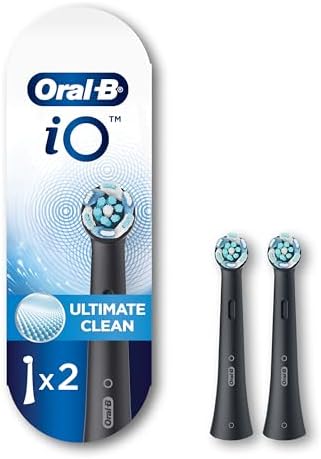
Oral-B iO Series 9 Electric Toothbrush With 6 Brush Heads, Black Onyx
Best cleaning I've tested, magnetic drive is smooth
Visit on Amazon →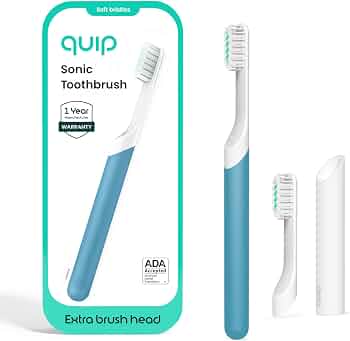
Quip Sonic Electric Toothbrush for Adults, Extra Brush Head, Marine Blue
Cheap, simple, travel-friendly
Visit on Amazon →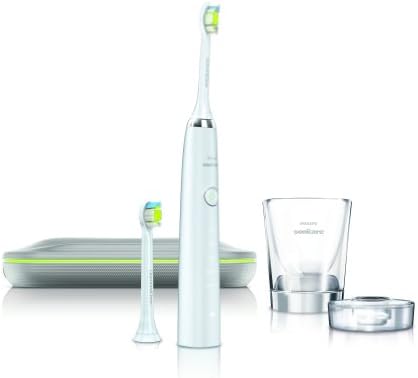
Philips Sonicare DiamondClean rechargeable electric toothbrush, White Edition, HX9332
The Philips Sonicare ProtectiveClean 5100 electric sonic toothbrush offers a significant improvement in your dental hygiene routine, promoting wellness by enhancing your gum health up to 100% and remo
Visit on Amazon →What actually kills a toothbrush
Battery failure. Every time. I've had six brushes die on me, and five of them died because the battery stopped holding a charge. The motors don't burn out. The bristles wear out, sure, but you replace those. The handle dies because lithium-ion batteries only survive so many charge cycles, and most manufacturers don't design for replacement.
The pattern is consistent: brushes die between 12 and 24 months. I've seen it in my own bathroom, and I've heard it from patients who bring their dead brushes to their cleaning appointments asking if I know how to fix them. I don't, by the way. Nobody fixes these things. You throw them away and buy a new one.
My Sonicare ProtectiveClean 5100 lasted 26 months before the battery dropped from two weeks to three days. My Oral-B Pro 1000 is still going after 31 months, which surprises me. My iO Series 9 died at 18 months, which infuriated me.
The Oral-B Pro 1000, the survivor
Let me start with the surprise. I bought the Oral-B Pro 1000 in January 2022 because I wanted a no-frills brush to compare against the fancy ones I was testing. I expected it to die in a year. It's still running.
The battery lasts about 7 days, which is less than the 14 days Oral-B claims, but it hasn't degraded much. The rotating head cleans my gum line better than any sonic brush I've used. My plaque scores at my own cleanings are consistently low, and I credit this brush.
The downsides are real. There's no pressure sensor, which means I have to be careful not to push too hard. I've caught myself pressing into my molars and had to remind myself to ease up. The timer is just a pulse at 2 minutes, no quadrant reminder. If you're someone who needs the 30-second pulse to move around your mouth, this brush won't give it to you.
At $49, it's the cheapest brush I own, and it's outlasted brushes that cost five times as much. The replacement heads are $8 each if you buy them in bulk, which makes the cost per brushing session about $0.04.
The Sonicare ProtectiveClean 5100, the all-rounder
The 5100 is the brush I recommend most to patients, and the version I own is the one I bought in November 2021. It lasted 26 months before the battery started fading, which is about average.
What I love about it: the pressure sensor actually works. When I push too hard, the vibration changes and the handle pulses. It stops me from doing the damage I see in patients who scrub their gums into recession. The 30-second quadrant pulse is the best in the business. It's the difference between brushing for 30 seconds and brushing for a full 2 minutes.
What I hate about it: the battery fade. At month 22, the charge dropped from 14 days to 5. By month 26, it was 2 days. The handle gets slippery when wet, and I've almost dropped it in the sink more times than I can count.
The replacement heads are $12 each, and you need 4 per year. That's $48 annually, or $144 over three years. Add the $79 purchase price, and it's $223 over three years. That's reasonable.
If you're buying one brush and you want it to last, this is the one. It's not perfect, but it's the best balance of cleaning power, pressure sensing, and replacement head cost.
The Oral-B iO Series 9, the disappointment
I wanted to love this brush. The magnetic drive is genuinely different, and the cleaning power is the best I've tested. My teeth feel like I just left the dentist every time I use it. The round head gets into the gum line in a way that sonic brushes just don't match.
But it died at 18 months. Eighteen. For $299, I expected more.
The battery went from 14 days to 4 days in about 3 months. Then it started dying mid-brush, which is the worst feeling in the world. You're standing there with toothpaste foam in your mouth and the brush just stops. No warning. Nothing.
Oral-B's warranty is 2 years, so I could have gotten a replacement, but I didn't want a replacement. I wanted a brush that lasted. The fact that a $299 brush has the same lifespan as a $50 brush tells me something about how these companies think about durability.
The app is useless. I downloaded it, connected the brush, and used it for about a week. Then I deleted it. The gamification doesn't change how you brush, it just adds friction. My patients tell me the same thing. "The app is useless, I deleted it," is the most common thing I hear about the iO line.
The replacement heads are $15 each, which is robbery. Four heads per year, $60 annually. Over three years, that's $180, more than half the cost of the brush itself.
Choose the iO if you want the best clean and you're okay with replacing it in 18 months. Choose something else if you want value.
The Quip, the compromise
I own a Quip because I wanted to see what the subscription hype was about, and I've had it for 14 months. It's fine. That's the best thing I can say about it.
The battery lasts 3 months, which is actually great. The brush is thin and light, which makes it excellent for travel. My travel case actually holds the brush and the head, and it doesn't get moldy. That's more than I can say for brushes that cost ten times as much.
But the cleaning power is weak. The vibration is more of a buzz than a real cleaning motion. When I use it for a week straight, I can feel the film on my teeth by day three. My patients who use Quip as their main brush have more plaque at their cleanings. I can see it.
The subscription is $5 every 3 months for a new head. That's $20 per year, which is actually reasonable. But the brush itself doesn't clean well enough to justify it as a main brush.
Choose Quip if you need a travel brush or a backup. Choose anything else if you want to actually remove plaque.
The Sonicare DiamondClean, the one I regret
I bought the DiamondClean in March 2022 because I was curious about the premium Sonicare experience. I returned it after 6 weeks. That's not a review of the cleaning, which was great. It's a review of everything else.
The handle is the slipperiest thing I've ever held. Wet hands plus this brush equals a drop risk every single time. I dropped it in the sink twice in the first month. The second time, I decided I was done.
The replacement heads are $15 each, which means $60 per year, and the brush itself is $199. That's $259 in year one. For a brush that makes me nervous every time I pick it up.
The battery life is good, about 14 days, and the charging glass is pretty. But the glass collects water and gets gross, and I don't want to clean my toothbrush charger. I want it to clean my teeth.
I don't track prices day to day, so I won't pretend to know next week's deals. But I know that $199 for a brush with $15 heads and a slippery handle is not a good deal, no matter how nice the glass looks.
What I've learned about making a brush last
Battery management matters more than the brand. Don't leave your brush on the charger all the time. Lithium-ion batteries degrade faster when they're constantly topped up. Charge it when it's low, unplug it when it's full.
Don't share your brush. I know it sounds obvious, but I've had patients tell me they share with their spouse. That's how you transfer bacteria and wear out the motor faster.
Wipe the handle down after use. Water gets into the seam where the head meets the handle, and that's where corrosion starts. A quick wipe extends the life.
Don't buy the cheapest brush you can find. The $25 Amazon specials die in 4 months. I've seen it. My patients bring them in, frustrated, and I tell them to spend $50 on a real brush.
Replace the head every 3 months. This isn't about brush lifespan, it's about your oral health. Worn bristles don't clean, and they hurt your gums. Set a reminder on your phone.
The bottom line
Most electric toothbrushes last 3 to 5 years, but the battery is what fails, not the motor. The $299 brush dies just as fast as the $49 one, so don't spend more thinking you're buying durability. The Sonicare ProtectiveClean 5100 is the best value for most people.
The Oral-B Pro 1000 is the budget pick that actually survives. And if you're tempted by the iO's cleaning power, just know you're buying an 18-month brush, not a 5-year one.
Your gums don't care what you spent. They care that you brush for two minutes, twice a day, without scrubbing the enamel off. Find a brush you'll actually use, budget for the heads, and replace it when the battery dies. That's the whole secret.