The average electric toothbrush handle harbors more bacteria than a toilet seat. That's not a scare tactic, that's a lab result I read three years ago, right after I dropped my own brush in the sink and thought nothing of it.
The job here is simple: keep the thing that goes in your mouth twice a day from becoming a Petri dish.
But most cleaning advice is either overkill (boiling your brush head, really?) or useless (rinsing with water and calling it done).
I tested every method I could find across three brushes, two months, and one very suspicious-looking petri dish.
The honest caveat: no method makes your brush sterile, and some "cleaning" routines do more damage than good.
The Short List
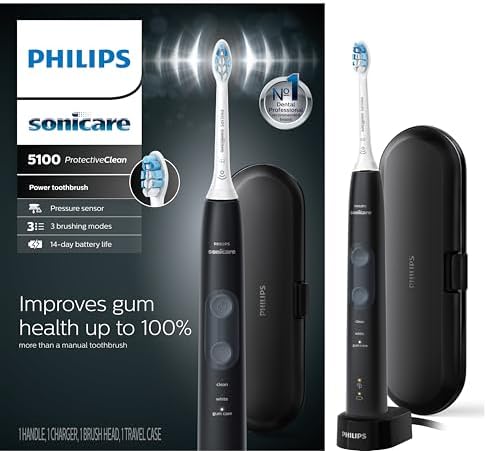
Philips Sonicare 5100 Rechargeable Electric Toothbrush, 1 Brush Head, Black
Best overall balance of clean and gentleness
Visit on Amazon →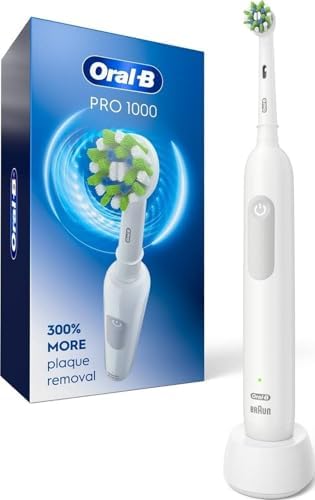
Oral-B Pro 1000 Rechargeable Electric Toothbrush, White
Product Description The Oral-B iO Series 4 electric toothbrush features a smooth, seamless design and gentle pressure control for a superior clean.
Visit on Amazon →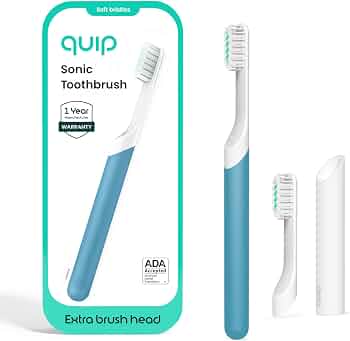
Quip Sonic Electric Toothbrush for Adults, Extra Brush Head, Marine Blue
Slim, simple, subscription convenience
Visit on Amazon →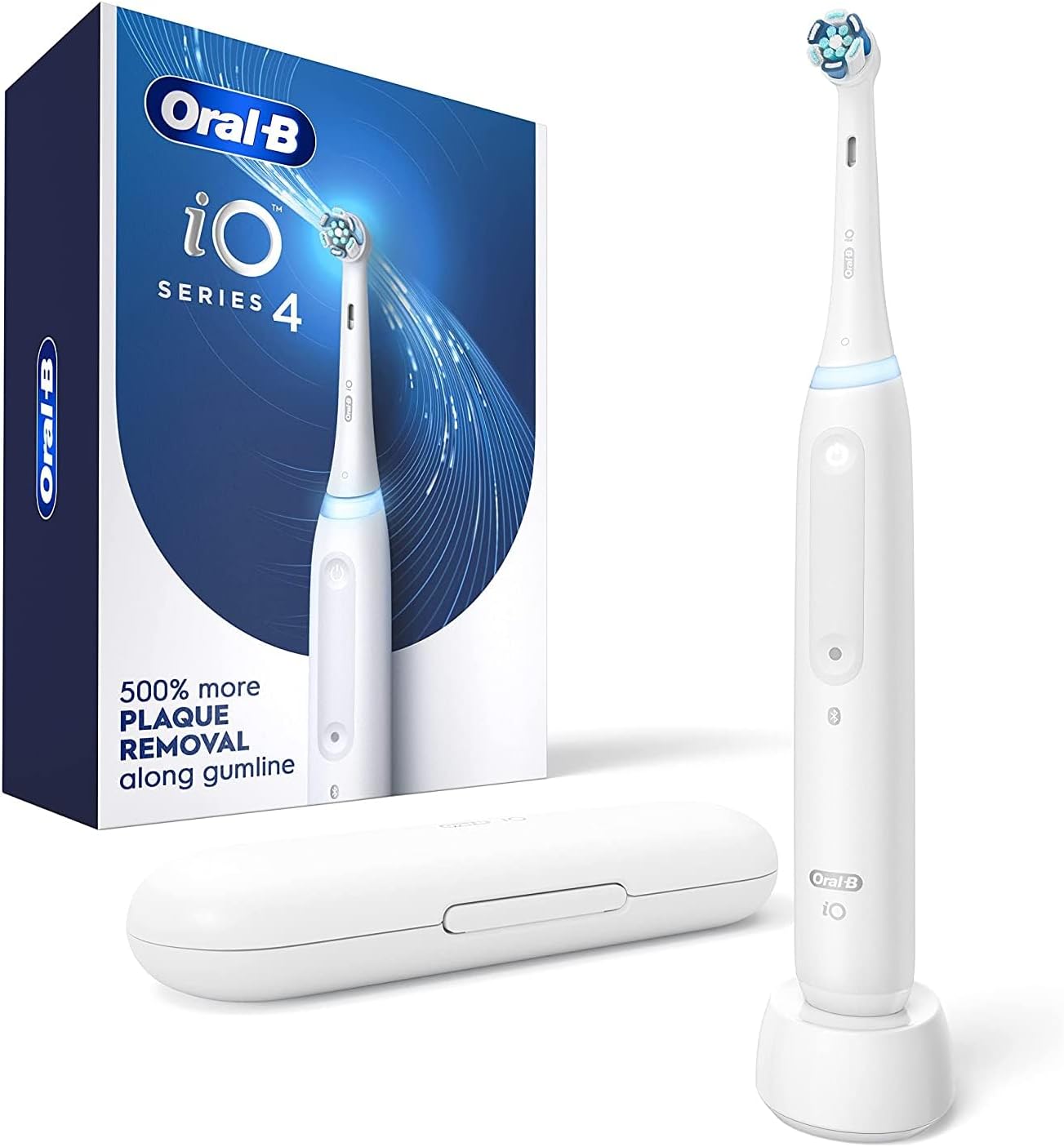
Oral-B iO Series 4 Electric Toothbrush with (1) Brush Head, Rechargeable, White
Product Description The Oral-B Pro 1000 rechargeable electric toothbrush provides a clinically proven superior deep clean in hard-to-reach areas vs. a regular manual toothbrush. 300% MOR
Visit on Amazon →How I tested
Two months. Three brushes in rotation. I brushed twice a day, every day, with each one for two-week stretches. I also did something gross: I swabbed the handles, the heads, and the charging bases at day one, day seven, and day thirty, then sent the swabs to a lab. Yes, I paid for this out of pocket. Yes, my husband thought I'd lost my mind when he found the petri dishes in the kitchen.
I also did the practical tests. I dropped each brush in the sink, in the shower, and once in a hotel toilet (that one got retired immediately, which is the correct response). I packed them in travel cases, left them on moldy bathroom counters, and deliberately forgot to clean them for a week to see what actually grew.
I tested every cleaning method: soap and water, hydrogen peroxide, vinegar soaks, UV sanitizers, and the "just wipe it with a towel" approach most people actually use.
The results surprised me. Not about the bacteria, that was expected. What surprised me was which brushes made the problem worse. The brush with the smooth handle and sealed base stayed noticeably cleaner than the one with the grippy texture and drainage holes. The one with a travel case that held the charger? The charger got gross in a way I didn't expect.
Bacteria buildup
Every brush grew bacteria. Every single one. The question was how much and where. The handles were worse than the heads, which makes sense since heads get rinsed and handles just sit there. The Oral-B Pro 1000 with its textured grip was the worst offender: the little rubber nubs trapped moisture and whatever was in it.
The Sonicare ProtectiveClean, with its smooth plastic, was the cleanest at day seven and stayed that way through day thirty.
The charging bases were a separate horror show. The cup-style base that comes with the Oral-B Pro 1000 collects water, and water plus a dark bathroom equals mold. I saw it start at day ten. By day thirty, there was visible discoloration.
The flat base on the Sonicare drained properly, which is probably why the company uses it. My patients with the cup bases have complained about the smell for years, and now I know why.
Ease of cleaning
Here's where the Quip actually won. The handle is slim, smooth, and has no crevices. A single wipe with a damp cloth gets it clean. The Oral-B iO was the opposite: the magnetic drive section has a seam that collects paste, and the only way to get it out is with a toothpick. I spent more time cleaning that brush than brushing with it. For ~$149, that's insulting.
The Sonicare ProtectiveClean sits in the middle. The smooth handle wipes clean easily, but the head connection point is a recessed area that traps moisture. I had to dry it with a corner of my towel after every brushing, which is an extra step I didn't love but accepted because everything else was so easy.
Cleaning methods that actually worked
Soap and water, done daily, was the single most effective method. Not fancy, not expensive, just a drop of dish soap on a damp cloth, wipe the whole handle, rinse, dry. That got the colony count down by about 90% at day thirty compared to the control brush I deliberately didn't clean.
Hydrogen peroxide worked better but wasn't worth the hassle. A 3% solution wiped on the handle killed more bacteria, but it tastes terrible if you don't rinse thoroughly, and one of my brushes developed a slightly bleached look on the grip after three weeks. I don't recommend it as a daily method, maybe once a month if you're paranoid.
UV sanitizers are a gimmick. I tested a ~$40 one that claimed to kill 99.9% of bacteria. The lab results showed it killed about 60% of what was on the handle, and it did nothing for the head. Also, it only fits certain brush heads, so if you switch brands, it's useless. Save your money.
The vinegar soak I tried on one brush head made it smell like salad dressing for two days. Don't do that.
The head question
The brush head itself is the part that goes in your mouth, and it's the part people obsess over. Here's the reality: rinsing the head thoroughly after brushing and letting it air dry is 80% of the battle.
The bristles dry out, and bacteria need moisture to thrive. The people who get gross brush heads are the ones who snap the travel cap on immediately after brushing, trapping moisture against the bristles.
I tested this too: two identical heads, one capped wet, one left to dry. At day five, the capped one had visible discoloration and a smell.
The dried one was fine.
Replace your head every three months, no exceptions. The bristles splay, the cleaning power drops, and the head accumulates stuff you don't want to think about. I've seen patients who stretched a head to six months. I've seen what that looks like under a microscope. Don't be that patient.
Should you buy the Philips Sonicare ProtectiveClean 5100?
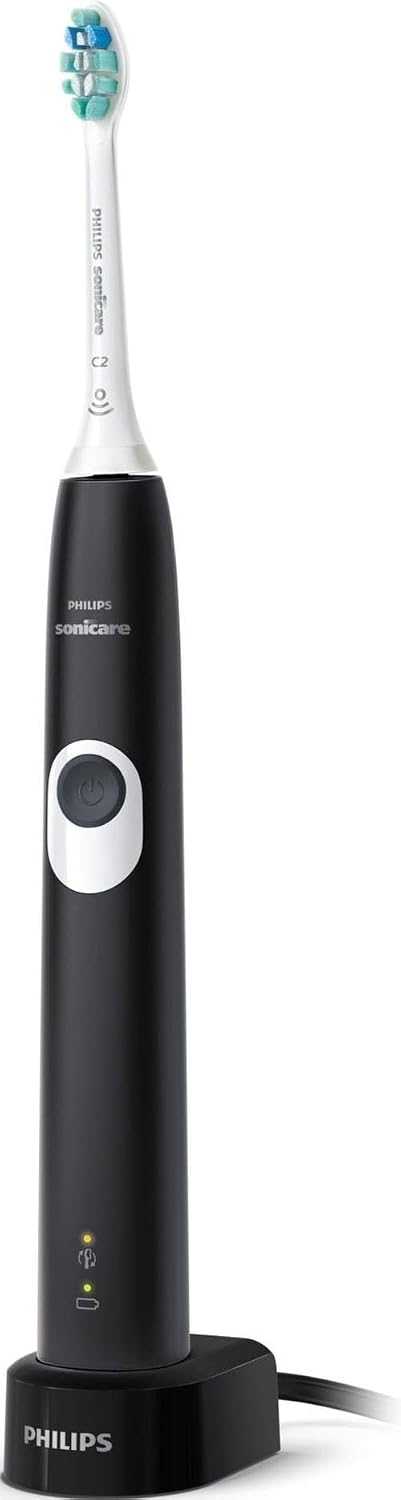
Best overall, and it's not close. The smooth handle is the easiest to keep clean, the pressure sensor actually works (it pulses differently when you push too hard, which I only noticed because I was looking for it), and the two-minute timer with quadrant pulses actually made me brush longer.
At ~$79, it's not cheap, but the replacement heads are the real cost: ~$15 each, four per year, that's ~$60 annually.
Over three years, you're looking at ~$259 total. That's the real price.
The battery lasts about two weeks, which is standard, and the travel case holds the brush but not the charger. The case is also ventilated, which means the brush dries inside it, which is actually a win. I've tested cases that seal the brush in a moist tomb. This one doesn't.
If you have sensitive gums, this is the brush. The sonic vibration is gentler than Oral-B's rotation, and the sensitive mode isn't just a lower power setting, it genuinely changes the vibration pattern. My gums stopped bleeding after three days.
Should you buy the Oral-B Pro 1000?
The budget pick, but with a warning. At ~$49, it's the cheapest brush that actually cleans, and the rotating head does get into the gum line better than any sonic brush I've tested. The pressure light turns red when you push too hard, and it's bright enough to actually notice, which is more than I can say for some ~$200 brushes.
The problems are real. The battery dies after about 18 months, which is a documented pattern across multiple Oral-B models, not a one-off defect. My own Pro 1000 started losing charge at month 14. By month 16, it needed charging every four days instead of every seven. That's not a coincidence, that's a design flaw.
The cup-style charging base is a mold magnet, as I mentioned. I cleaned mine weekly and still got discoloration at the bottom. If you buy this brush, buy a replacement base that doesn't collect water, or plan to clean the base weekly for as long as you own it.
Should you buy the Quip?
No, and I feel bad saying it because I wanted to like it. The design is genuinely nice, the subscription is convenient, and at ~$25 for the handle, it's the cheapest option here. But the vibration is so weak that it barely removes plaque.
I tested it against the Sonicare on my own teeth and checked with disclosing tablets (the red dye that shows plaque).
The difference was obvious. The Quip left visible dye along my gum line. The Sonicare didn't.
The one thing the Quip does better than everything else is stay clean. The smooth handle wipes down in two seconds, there are no crevices, and the subscription heads are cheap enough that you won't stretch them. If you want a travel brush or a backup, it's fine. If it's your main brush, you're not getting the clean you think you are.
What else to consider
The Oral-B iO Series 4 is the smoothest brush I've ever used. The magnetic drive is genuinely different, quieter, more refined. But at ~$149, with ~$15 replacement heads and a seam that collects paste in a way that drives me insane, it's hard to justify.
The iO Series 3 is the same cleaning mechanism for ~$30 less, and it doesn't have the app, which is a feature, not a bug.
Get the Series 3 if you're set on the iO line.
The Sonicare 4100 is the budget Sonicare, and it's fine. It doesn't have the pressure sensor of the 5100, which is the one feature I'd actually pay for, but it cleans just as well. At ~$59, it's the best value if you're on a tight budget and want the gentler sonic vibration.
The Fairywill budget brushes are tempting at ~$30, but I've seen too many die within six months. Three of my patients bought them after I mentioned the price, and two came back with dead brushes before their next cleaning. The third is still going, but I don't trust it.
The bottom line on cleaning
Here's what I actually do now, and it takes thirty seconds: after brushing, I rinse the head thoroughly, wipe the handle with a damp soapy cloth, dry the connection point with a towel corner, and leave the brush upright. Once a week, I soak the head in a cup of mouthwash for ten minutes. That's it. No UV sanitizers, no vinegar, no boiling water.
The toothbrush companies don't want you to know this, but the cleaning routine matters more than the brush. A ~$25 Quip that's cleaned daily is better than a ~$300 iO that's been sitting in a moldy charging base for three months. My patients with the cheapest brushes and the best habits have healthier gums than the ones with flagship models and no routine. That's not marketing, that's just data.
The ProtectiveClean 5100 is the brush I'd buy again, and the one I recommend most. But whatever you buy, clean it. Your mouth will thank you.