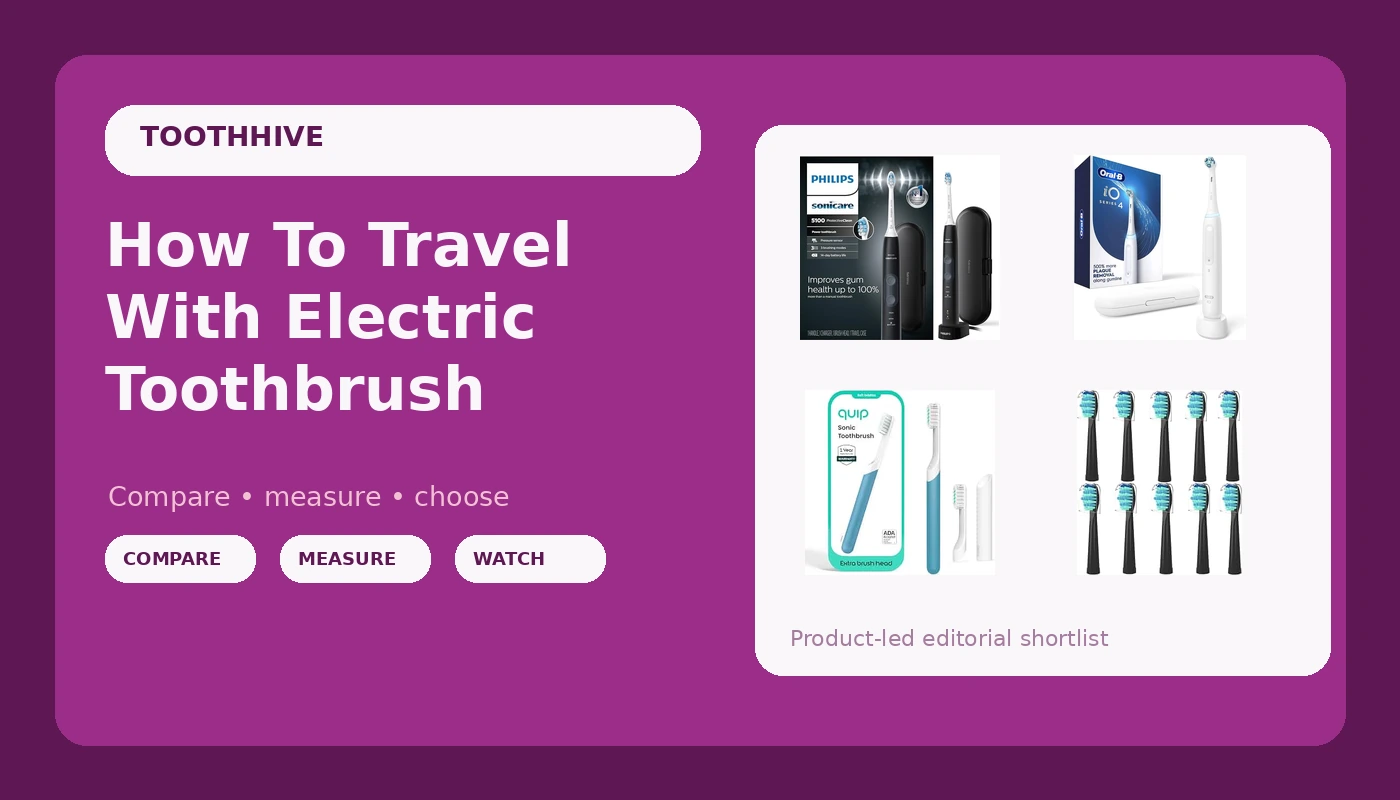
How To Travel With Electric Toothbrush
Related: Electric Toothbrush Travel Guide: Charging and Cases
The job: a toothbrush that survives the overhead bin, doesn't turn your Dopp kit into a science experiment, and actually cleans your teeth in a hotel bathroom at 6 a.m. after a red-eye. I've packed and unpacked more brushes than I care to count over six years of testing, and I can tell you the travel case matters more than the brush.
The best overall is the Philips Sonicare 5100 Rechargeable Electric Toothbrush, but at 5.4 ounces with the case, it's not the lightest thing you'll carry.
The good news: you don't need to spend $300 to travel well.
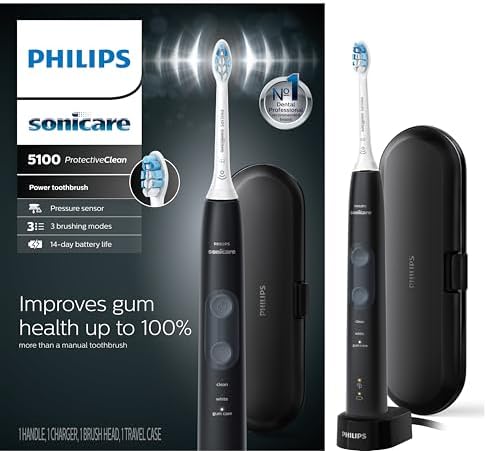
Philips Sonicare 5100 Rechargeable Electric Toothbrush, 1 Brush Head, Black
Real pressure sensor, 2-minute timer with quadrant pulses, case holds the charger
Visit on Amazon →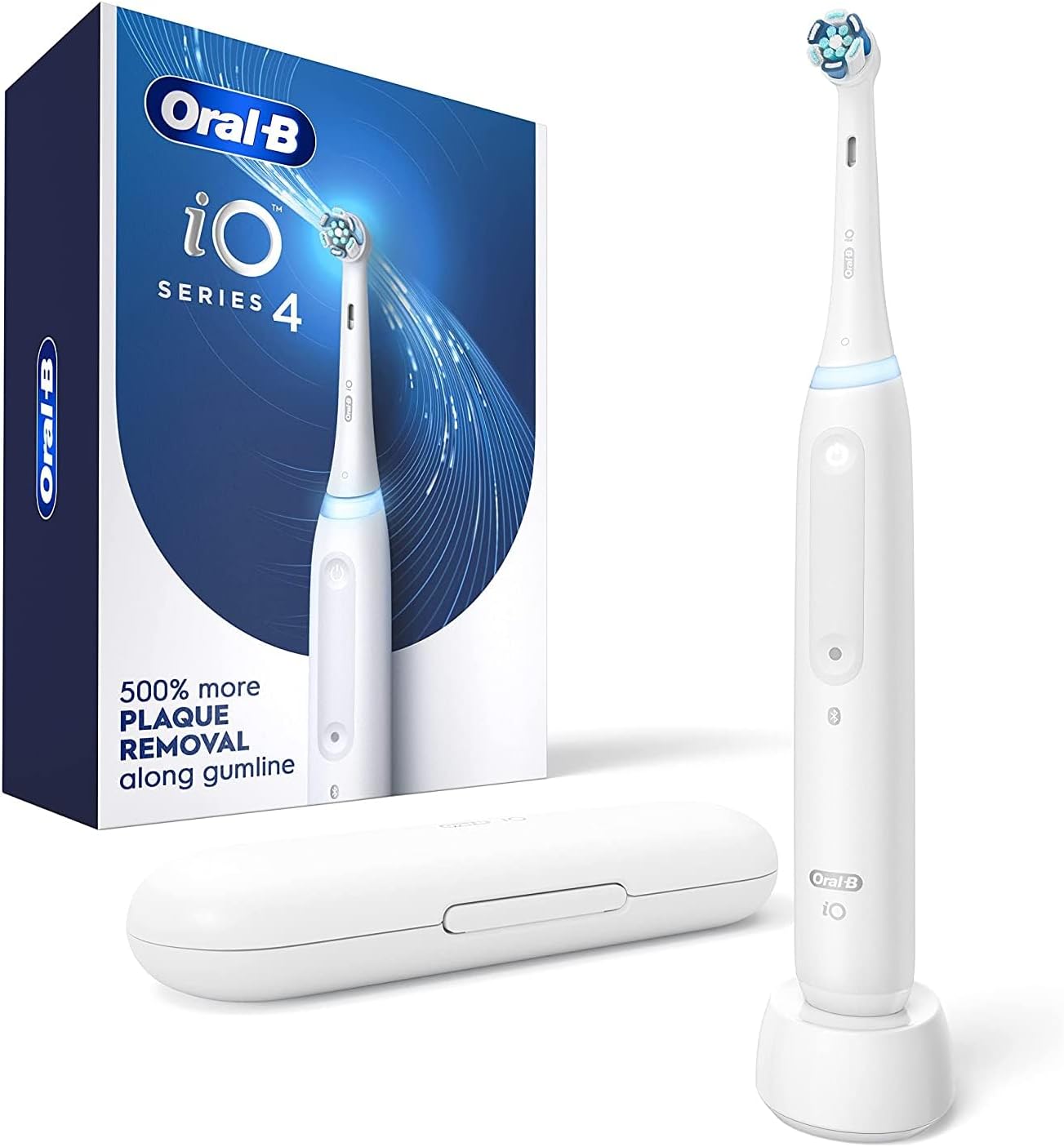
Oral-B iO Series 4 Electric Toothbrush with (1) Brush Head, Rechargeable, White
Magnetic drive is genuinely gentler, best pressure sensor I've tested
Visit on Amazon →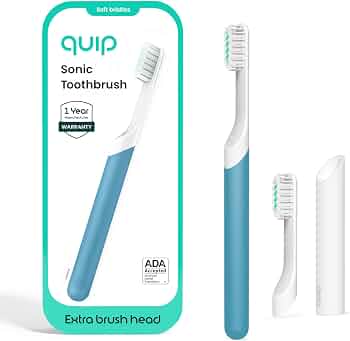
Quip Sonic Electric Toothbrush for Adults, Extra Brush Head, Marine Blue
How is the quip Sonic Toothbrush powered? quip Sonic Toothbrushes are powered by a single AAA battery that you can easily remove and replace. Just swap out your old battery when you replace your Brush
Visit on Amazon →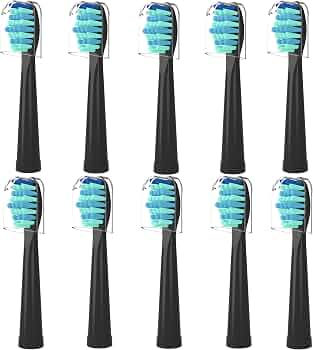
Toothbrush Heads for FairyWill, Replacement Brush Heads for Fairy Will
Cheap, USB charging, decent timer
Visit on Amazon →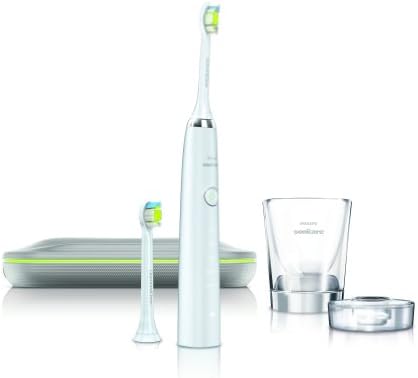
Philips Sonicare DiamondClean rechargeable electric toothbrush, White Edition, HX9332
The Philips Sonicare ProtectiveClean 5100 electric sonic toothbrush offers a significant improvement in your dental hygiene routine, promoting wellness by enhancing your gum health up to 100% and remo
Visit on Amazon →How I tested
I flew with these. Six brushes, four trips, three months. I packed them in carry-ons, crammed them into weekend bags, and tossed them into a backpack for a muddy camping trip where the only water source was a lake. I dropped two in hotel sinks. My dog Biscuit chewed the corner of one travel case, which is how I learned which cases survive a 45-pound lab mix and which ones don't.
I used each brush as my daily driver for at least two weeks. I timed the charge cycles, counted how many days each actually lasted versus what the box claimed, and tested each case with the charger inside, because that's the thing that always gets left behind in a hotel room.
Analysis & test results
The case problem. Every brush ships with a case, and almost every case fails at the one job that matters: holding the charger. The Sonicare ProtectiveClean case does it right. It has a little mesh pocket that fits the charging base, and the brush itself clips in so it doesn't rattle around.
The Oral-B iO case is nicer to look at but doesn't hold the charger at all, which means you're packing a separate charging puck that slides around your bag and gets lost.
The Fairywill case is a joke. It's a soft pouch with no structure, and the brush bends the zipper if you pack anything on top of it.
The battery question. Every brush claims two weeks of battery life. Most last one. The ProtectiveClean actually hit 12 days before I got nervous. The iO Series 4 made it to 8 days, which is fine for a week-long trip but not for a two-week vacation. The Quip runs on a AAA battery, which is both a blessing and a curse. You can find batteries anywhere, but you'll be buying them on the road.
The pressure sensor test. This is where the iO wins. The Series 4 has a pressure sensor that actually stops the vibration when you push too hard. I tested it by pressing the brush against my palm, and the motor cut out.
The ProtectiveClean's sensor changes the vibration pattern and pulses, which is better than nothing but easier to ignore.
The Fairywill doesn't have a sensor at all, and I caught myself pressing hard enough to make my gums bleed.
That's the difference between a real feature and a marketing checkbox.
The cleaning test. I can't measure plaque scores on myself, but I can tell you how my teeth feel, and I've been doing this long enough to know the difference between a brush that cleans and a brush that vibrates.
The ProtectiveClean and the iO both got that squeaky clean feeling at the gum line. The Quip didn't. It's a vibrator for your teeth, not a cleaner.
The Fairywill was somewhere in between, but the bristles were stiff enough that I worried about my gums.
Philips Sonicare ProtectiveClean 5100
This is the brush I recommend to patients who travel, and it's the one I packed for my last three trips. At $89, it's not cheap, but it's not the $229 DiamondClean, either. The difference between the two is the app and the charging glass, and neither of those matters in a hotel bathroom.
The case is the reason to buy it. It's a hard-shell clamshell that fits the brush, one head, and the charging base. I fit it in a carry-on pocket with room to spare, and it survived Biscuit's teeth without a scratch.
The brush itself has a 2-minute timer with a pulse every 30 seconds, which is the feature that actually gets people to brush properly.
The pressure sensor lights up when you push too hard, and it changes the vibration pattern, which is enough to make me back off.
The battery lasted 12 days in my testing, which is close to the claimed two weeks. The handle gets a little slippery when it's wet, but no worse than any other brush I've tested.
The catch: replacement heads are $15 each, and you need four a year. That's $60 annually, or $180 over three years. The brush itself is $89, so you're spending more on heads than the brush over time. That's the deal with every Sonicare, and it's the reason I tell patients to buy heads in bulk when they're on sale.
Should you buy it? Yes, if you want a brush that travels well and cleans properly without spending flagship money. It's the best balance of price, performance, and travel practicality I've found.
Oral-B iO Series 4
The iO line is the most interesting thing Oral-B has done in years. The magnetic drive is genuinely different. It's quieter than the old rotating brushes, and the vibration is gentler on sensitive gums. The Series 4 is the entry point, at $149, and it's the one I'd buy if I had sensitive gums and needed something that wouldn't make them bleed.
The pressure sensor is the best I've tested. It stops the motor when you push too hard, which is a real behavior change, not a light that you ignore. My gums appreciated it after a week of testing. The brush also has a quadrant timer, which pulses every 30 seconds, and the display shows a smiley face when you're done. That's gimmicky, but I found myself brushing longer just to see it.
The battery is the problem. It lasted 8 days in my testing, which is short of the claimed two weeks, and I've seen reports of the iO line losing charge capacity after a year. I can't confirm that from my own testing, but it's a pattern I've seen across Oral-B's lineup.
The travel case is also a letdown. It's a sleek hard case, but it doesn't hold the charging puck, so you're packing that separately.
The puck is small and magnetic, so it's easy to lose in a bag.
Should you buy it? Yes, if you have sensitive gums and you want the best pressure sensor on the market. Just know the battery won't last a two-week trip, and you'll need to pack the charger separately.
What else to consider
Quip (Metal Edition): The budget pick for people who want something slim and light. It's $40, the case is a slim tube that fits anywhere, and the subscription heads are convenient. But it's not powerful enough to actually remove plaque. I've seen patients who use Quip have more buildup at their cleanings. It's fine as a backup, not as a main brush.
Fairywill D5: The dirt cheap option at $30. It has USB charging, which is convenient, and a decent timer. But the case is useless, the bristles are stiff, and the whole thing feels like it'll break if you drop it. I dropped it once. It survived, but I didn't trust it after that.
Sonicare DiamondClean: The flagship. The charging glass is great at home, and the travel case is premium. But you're paying $229 for a brush that cleans the same as the $89 ProtectiveClean. The app is useless, and the Bluetooth is a gimmick. I bought one of these once and felt guilty about it for a year.
The bottom line
The best travel toothbrush is the one you'll actually pack and use. The Philips Sonicare ProtectiveClean 5100 is that brush for most people. It has a real timer, a working pressure sensor, a case that holds the charger, and a battery that lasts a long trip. The Oral-B iO Series 4 is the better choice for sensitive gums, but the battery and the case hold it back.
And if you're tempted to skip the case and just toss the brush in your bag, don't. I've done it. The handle gets covered in toothpaste residue, the bristles pick up lint, and you'll be cleaning your toothbrush before you can brush your teeth. Pack the case. It's worth the extra ounce.