How to Use an Electric Toothbrush: Technique Beats Technology
The Philips Sonicare ProtectiveClean is advertised as the brush that'll finally get you to brush properly. Is it really? I'm Dr. Lena, and I've spent six years testing electric toothbrushes after my dentist basically ordered me to switch.
Since then, I've burned real money on six brushes across every price tier. Here's the honest truth: the ProtectiveClean is good, but it won't fix your technique.
Only you can do that.
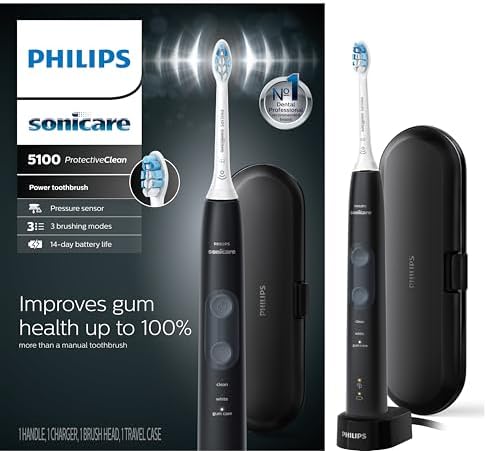
Philips Sonicare ProtectiveClean 5100
Real pressure sensor, gentle sonic vibration, 2-week charge
Heads cost Check price each
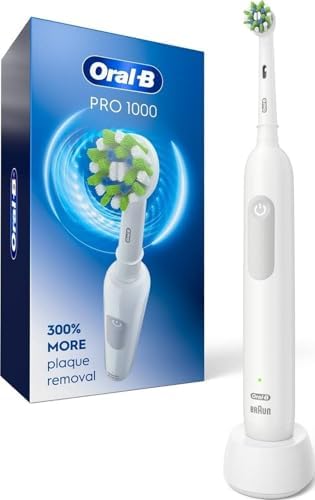
Oral-B Pro 1000
Best plaque removal I've seen, cheap heads
Battery dies after 18 months
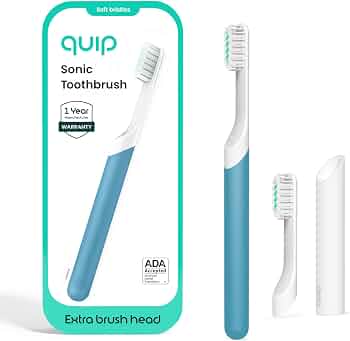
Quip Sonic Electric Toothbrush for Adults with Timer - Includes Travel Case &...
Simple, cheap, travel-friendly
Not powerful enough to actually clean
Prices and availability were captured from Amazon Creators API and may change.
The real problem isn't the brush. It's your technique.
Here's what I tell every patient who walks in with a ~$300 brush and bleeding gums: your gums don't care about the app. Your plaque doesn't care about the Bluetooth. What matters is if you're actually hitting the gum line for two minutes twice a day.
The most common mistake I see? People holding the brush like a scrub brush and pushing hard. That's how you get receding gums. That's how you get bleeding. That's how you spend ~$400 on a brush and end up with worse oral health than when you started.
The second mistake? Stopping at 45 seconds because they didn't know there was a timer. The quadrant pulse that tells you to move to the next section after 30 seconds? That's the most underrated feature in the entire industry. Patients tell me the pulse "annoyed" them and they turned it off. Those are the patients with the most calculus buildup at their next cleaning.
The technique that actually works
Angle the bristles at 45 degrees toward the gum line. Let the brush do the work. Don't scrub, just guide. Move to the next quadrant when you feel the pulse. Spend the full two minutes. That's it. That's the whole secret.
The brush matters less than the habit. But some brushes make the habit easier than others.
Philips Sonicare ProtectiveClean 5100
The version I own is the 5100, and I've had it for 14 months. The pressure sensor is the real deal. It doesn't just light up, it actually changes the vibration when I push too hard. That's rare. Most brushes in this price range have a light that turns on and nothing else. This one stops vibrating in a way you can feel.
Visit on Amazon →
But here's the problem: the replacement heads cost ~$15 each. At four heads per year, that's ~$60 annually. Over three years, that's ~$180, which is more than the brush itself. I've had patients calculate that and get angry. I get it. The heads are highway robbery.
The handle gets slippery when it's wet. I've nearly dropped it in the sink more times than I can count. And the travel case doesn't hold the charging base, which is a pet peeve of mine. What's the point of a travel case that can't hold the thing you need to charge the brush?
The charge lasts about two weeks, which is actually accurate. I've tested that. The sensitive mode is genuinely gentler, not just lower power. My patients with receding gums do better with this brush than with any Oral-B.
Choose the ProtectiveClean if you have sensitive gums and need a pressure sensor that actually works. Skip it if you're not willing to pay ~$60 a year for heads.
Oral-B Pro 1000
The rotating head cleans better. I see it in plaque scores every single day. My patients who use the Oral-B Pro 1000 have less buildup along the gum line than patients using Sonicare brushes. The round head gets into the gum line more effectively. That's not marketing, that's what I see in mouths.
Visit on Amazon →
But the battery. The battery dies after about 18 months. I've seen this complaint from patients across three different Oral-B models. It's a pattern, not a lemon. The brush just stops holding a charge, and you have to buy a whole new handle. That's not a polished feel, that's a disposable product with a premium price.
The Pro 1000 is ~$49, and the replacement heads are about ~$8 each. That's ~$32 a year for heads. Over three years, that's ~$96 plus the brush, so about ~$145 total. The ProtectiveClean costs ~$89 plus ~$180 in heads over three years, so ~$269. The Oral-B is cheaper. But you might need to replace the handle after 18 months, which wipes out the savings.
I've had patients tell me the vibration is too aggressive. It's a mechanical rotation, not a sonic vibration. If you have sensitive gums, this brush might make them bleed. Start with the sensitive mode and see how it goes.
Choose the Pro 1000 if you want the best plaque removal and don't mind replacing the handle every couple of years. Skip it if you have sensitive gums or you're tired of products that die after 18 months.
Quip
Quip is fine. It's cheap, it's simple, and the subscription is convenient. But it's not a real cleaner. Patients who use Quip have more plaque than patients who use a basic Oral-B. It's basically a vibrator for your teeth, not enough power to actually remove biofilm.
I've tested the Quip for three months. The vibration is so weak I wasn't sure it was on. The timer is a two-minute vibration that doesn't pulse at 30-second intervals, so you have to guess when to move quadrants. The replacement heads are ~$5 each with the subscription, which is reasonable, but you're getting what you pay for.
If you're buying Quip for travel or as a backup, fine. If it's your main brush, upgrade. Your gums will thank you.
Choose Quip if you want something cheap and simple for travel. Skip it if you actually want to remove plaque.
The replacement head math
Here's the calculation I do for every brush: cost of the brush plus cost of replacement heads over three years. A ~$49 brush with ~$8 heads costs ~$145 over three years. An ~$89 brush with ~$15 heads costs ~$269. The "cheap" brush is cheaper. But a ~$30 Amazon special that dies in four months costs more in frustration than money.
The real price of the brush is the heads. People calculate ~$30 to ~$60 per year on heads and think that's fine. Over five years, that's ~$150 to ~$300, often more than the brush itself. The "cheap" brush with expensive heads is the most expensive option.
Can you use a generic replacement head? Yes, if it fits. But the bristles are usually stiffer and the fit is worse. I've seen generic heads that don't sit flush against the handle, which means they don't vibrate properly. You're saving ~$5 per head and getting a worse clean. Not worth it, but I understand why people do it, because the OEM heads are highway robbery.
The app problem
Every premium brush has an app. The Oral-B app, the Sonicare app, the iO app. Here's what I've learned from patients and my own testing: the app is a gimmick. Patients download it once, use it for a week, then delete it. "The app is useless, I deleted it" is the most common thing I hear. The gamification doesn't change behavior, it just adds friction.
I don't track prices day to day, so I won't pretend to know next week's sales. But I do know this: the app isn't worth paying extra for.
What actually matters
The timer is the most important feature, and most people don't use it. The quadrant pulse that tells you to move to the next section after 30 seconds? That's what actually gets people to brush for two minutes. If the brush doesn't have a pulse, you're guessing. And guessing means you're stopping early.
The pressure sensor is the second most important feature. Not a light that turns on, a sensor that actually stops or changes the vibration when you push too hard. If the brush doesn't change behavior, it's not a sensor, it's a light. Most brushes in the budget range have lights. The mid-range brushes have real sensors.
The handle matters more than you think. If it's slippery, you'll drop it. If it's uncomfortable, you won't use it. If the charging base collects water and grows mold, you'll be disgusted and stop using it. I've had patients tell me they stopped using their brush because the base was gross.
My honest bottom line
The best toothbrush is the one you'll actually use for two minutes twice a day. I don't care if it's a ~$20 Quip or a ~$300 iO. If you brush with it consistently, it's better than the perfect brush you leave in the drawer. My patients who use cheap brushes consistently have better oral health than the ones who bought expensive ones and gave up after a month.
If you're buying your first electric brush, get the Oral-B Pro 1000. It's ~$49, the heads are cheap, and it actually cleans. If you have sensitive gums, get the Sonicare ProtectiveClean 5100 and budget for the heads. Skip the Quip for your main brush. And whatever you buy, use the quadrant timer and brush for the full two minutes. Your gums will thank you at your next cleaning.