Most shoppers hunting for the best electric toothbrushes for gum health get pulled into the same three questions: how fast the motor runs, how many modes the handle offers, and how polished the companion app looks. None of those three things shows up in a plaque score. What shows up is whether the brush carries a two-minute timer with 30-second quadrant intervals, whether it warns you when you lean on your gums, and whether the handle is pleasant enough that you keep picking it up twice a day for the next three months.
That is the frame for this comparison. It covers six rechargeable brushes, from budget handles to the mid-range Sonicare and Oral-B models, and it sorts them by the criteria that actually change outcomes: head design, timer behavior, pressure feedback, how many heads arrive in the box, and what replacement heads cost over a year. Nothing here is ranked by app features, and a higher price is never treated as evidence of better cleaning.
Related: How to Brush With an Electric Toothbrush Without Receding Gums
Quick answer
The Philips Sonicare ProtectiveClean 4100 Rechargeable Electric Power Toothbrush is the strongest fit for everyday gum health because it pairs a pressure sensor with a two-minute quadrant timer, the two features that protect gums and enforce brushing time, without the flagship positioning. Choose the Oral-B Pro 1000 Rechargeable Electric Toothbrush instead when you want the lowest-cost handle that still cleans properly and you prefer a compact round oscillating head.
Electric toothbrushes worth comparing
Six brushes made the cut. They split into two families: oscillating brushes with small round heads, which is Oral-B's approach, and sonic brushes with elongated heads, which covers Sonicare, Quip, Schneider, and MySmile. Both approaches remove plaque when they are used correctly, so the deciding factors below are the timer, the pressure feedback, head cost, and how easy each handle is to live with day after day.
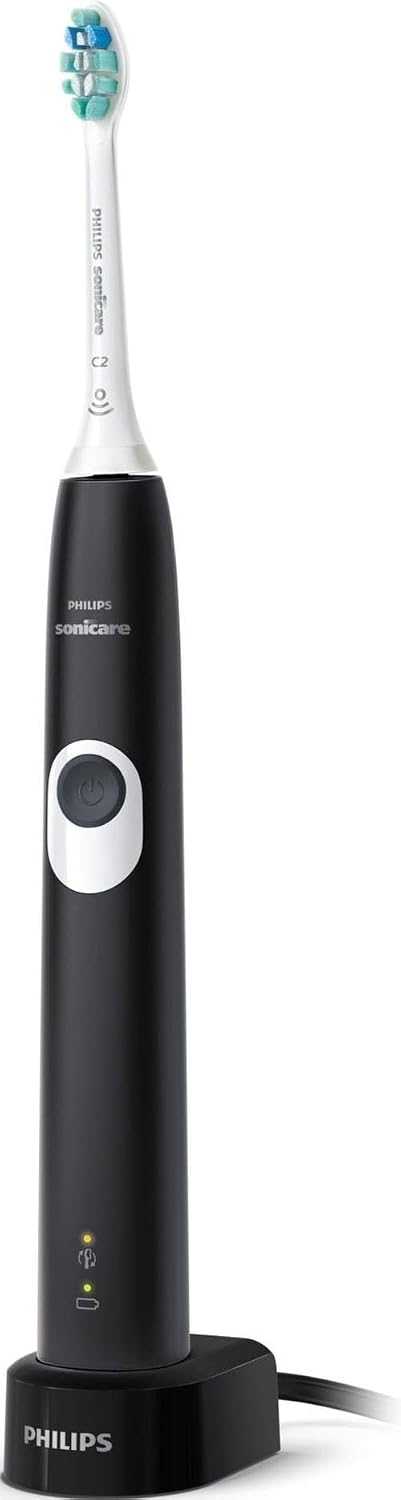
Philips Sonicare ProtectiveClean 4100 Rechargeable Electric Power Toothbrush, Black, HX6810/50
Check current Amazon price
A rechargeable sonic handle in black with a pressure sensor and a two-minute quadrant timer. It is the value position in the Sonicare line rather than the flagship, which is exactly why it earns the top spot here.
Visit on Amazon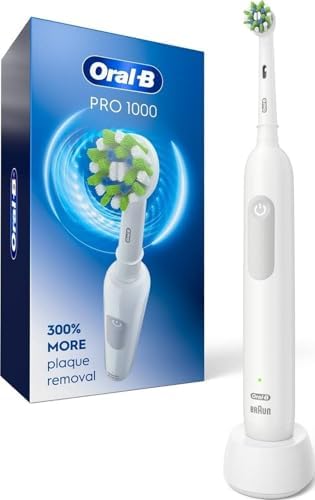
Oral-B Pro 1000 Rechargeable Electric Toothbrush, White
A rechargeable oscillating brush with a small round head, long established as the budget workhorse of the Oral-B range. It cleans properly and it has been the clinical standard at this price for years.
Visit on Amazon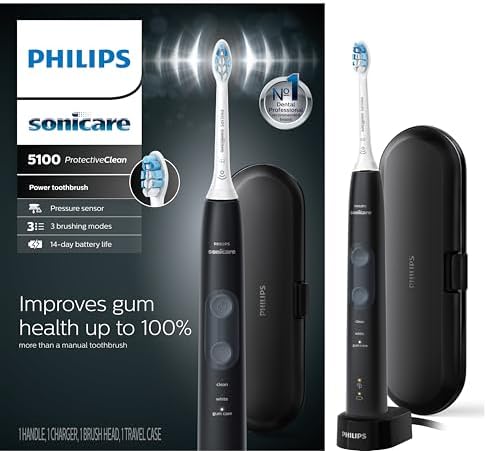
Philips Sonicare 5100 Rechargeable Electric Toothbrush, 1 Brush Head, Black
Check current Amazon price
A rechargeable sonic handle supplied with a single brush head. A sensible second Sonicare for a household that already keeps this family of snap-on heads on the shelf.
Visit on Amazon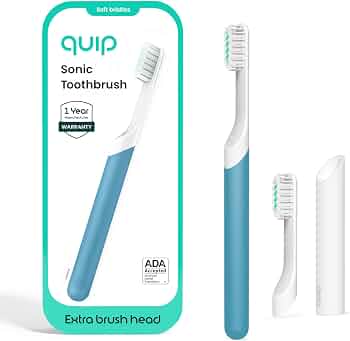
Quip Sonic Electric Toothbrush for Adults, Extra Brush Head, Marine Blue
A slim sonic brush in marine blue that arrives with an extra brush head. Simple, quiet, and built around a subscription-friendly head design rather than a large feature list.
Visit on Amazon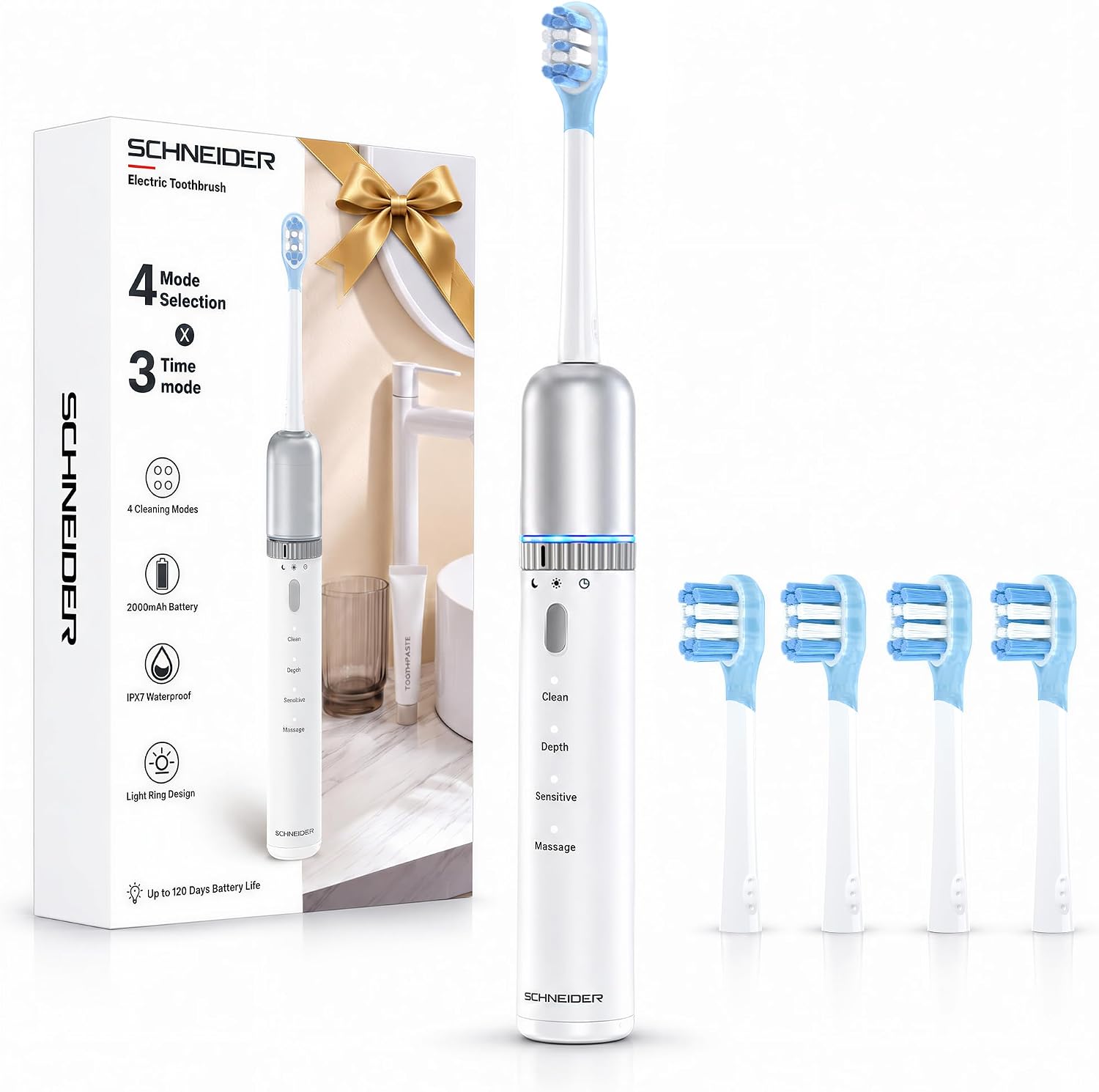
Schneider Sonic Electric Toothbrush for Adults, 42,000 VPM, 4 Modes
A sonic handle rated at 42,000 vibrations per minute with four cleaning modes. The mode count is the headline feature, so treat the extras as options rather than requirements.
Visit on Amazon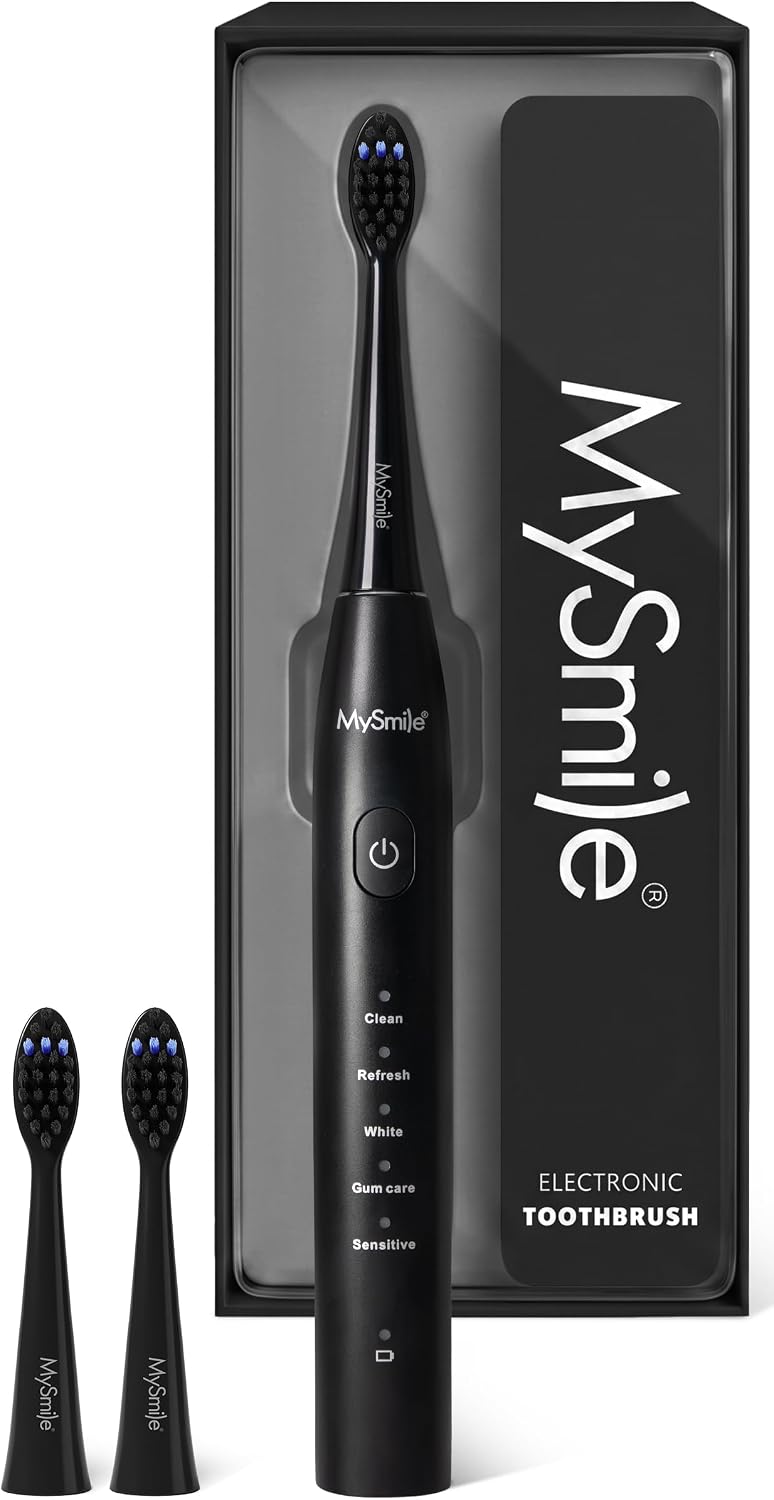
MySmile DY156 Rechargeable Electric Toothbrush, 3 Brush Heads, Black
A rechargeable brush in black that arrives with three brush heads, which spreads the cost of the first year of ownership further than a single-head box does.
Visit on AmazonPrices and availability may change. Check the retailer for current details.
How these products were compared
This guide compares handle and brush head design, timer and pressure feedback, cleaning mode options, the number of brush heads included in the box, and the long-term cost of replacement heads. Product names, images, and retailer links are matched by product code so that every card points to the product shown.
The comparison is built from the supplied product information and from clinical priorities rather than from unboxing impressions. Nothing here is presented as a laboratory test, and no cleaning performance claim is made that the product information does not support. Where two brushes are genuinely close, the guide says so instead of manufacturing a winner.
How to choose the right electric toothbrush
Start with the timer, not the motor. A two-minute timer with 30-second quadrant intervals is the single feature that changes how long and how evenly people brush, and it is the first thing to confirm on any handle you are considering. Without it, you are relying on feel, and almost everyone who relies on feel stops somewhere around 45 seconds. If a brush is marketed as premium and it has no quadrant timer, that tells you where the money went.
The pressure sensor is the second non-negotiable. Brushing hard does more damage to gums than brushing gently but incompletely, and recession is slow and permanent. A handle that pulses or slows when you press too firmly trains your hand over a few weeks, and that habit sticks even after you switch brushes. If you want the longer version of that argument, it is covered in our guide to brushing technique and gum health.
Then look at the head. Round oscillating heads are small and get behind the last molars easily; elongated sonic heads feel more like a manual brush and cover more surface per stroke. Neither is better in the abstract. What matters is which one you will actually hold for two minutes. After that, count the heads in the box and price a year of replacements, because the handle is a one-time cost and the heads are not.
Philips Sonicare ProtectiveClean 4100 Rechargeable Electric Power Toothbrush
This is a rechargeable sonic handle in black that uses Sonicare's snap-on head system, and it is the brush in this group that gets the two features that matter right: a pressure sensor that warns you when you are pressing too hard, and a two-minute timer with 30-second intervals. It sits below the flagship Sonicare models in the range, which is the point. You are buying the parts of the flagship that protect gums and enforce brushing time, and leaving behind the parts that mostly affect how the handle looks on the counter.
The trade-off is that it is not a feature showcase. There is no app, no brushing map, no battery of novelty modes to scroll through, and the finish is plain next to the premium Sonicare handles. If you want the connected ecosystem or the metal-bodied feel, this is not that brush, and no amount of good technique will turn it into one. What it does offer is a straightforward handle that a patient will still be using in month four, which is the only durability test that matters in a bathroom.
Alternatives to consider
The Oral-B Pro 1000 Rechargeable Electric Toothbrush is better suited to anyone who wants the lowest-cost handle that still cleans properly, or who prefers the feel of a small round oscillating head over a sonic one. It has been the budget standard in the Oral-B lineup for years, and for a lot of people it is the last toothbrush they will need to think about. The Philips Sonicare 5100 Rechargeable Electric Toothbrush is a stronger fit when you want a sonic handle from the same family as the top pick and you only need one brush head in the box to start.
The Quip Sonic Electric Toothbrush, the Schneider Sonic Electric Toothbrush, and the MySmile DY156 Rechargeable Electric Toothbrush cover the rest of the field. Quip is the pick for people who want something slim, quiet, and simple, and who like the idea of heads arriving on a schedule; it is a modest motor in a well-designed handle, not a clinical powerhouse. The Schneider handle leans on a 42,000 vibrations per minute rating and four modes, which is useful if you like switching intensities but not a substitute for a timer and pressure feedback. The MySmile brush ships with three heads in the box, which makes it the most economical first year of the group and a reasonable choice for a guest bathroom or a teenager who is hard on equipment.
Day-to-day use and maintenance
Replace the brush head roughly every three months, or sooner if the bristles are visibly splayed. Worn bristles do not reach into the gum line, and a handle that cleans well with a fresh head cleans poorly with a tired one. Rinse the head thoroughly after every use and shake the water out, then let it air dry upright rather than dropping it wet into a closed cabinet or travel case, where bacteria and odour build up.
Keep the handle on its charger according to the manufacturer's instructions rather than running it flat and recharging in a panic, and wipe the handle and the charging base occasionally. If your brush has a pressure sensor, treat the warning as feedback rather than an annoyance; the point is to lighten your grip, not to press through it. Any brush that produces pain, bleeding that does not settle, or gum recession should be discussed with a dentist or hygienist rather than adjusted on your own.
Buying checklist
- Measure the counter or shelf space where the handle will live and confirm there is an outlet nearby for the charger.
- Choose the head shape, round oscillating or elongated sonic, based on what feels comfortable in your mouth rather than on motor claims.
- Confirm that the exact model includes a two-minute timer with 30-second quadrant intervals and a pressure sensor.
- Count the brush heads in the box and price a year of replacements before deciding, since heads cost more than the handle over time.
- Read the cleaning and maintenance instructions, including the manufacturer's head replacement interval.
- Verify the current retailer price, availability, and return terms before you buy.
Final recommendation
Choose the Philips Sonicare ProtectiveClean 4100 Rechargeable Electric Power Toothbrush when you want the timer and the pressure sensor that protect your gums, in a plain handle that will still be on your counter in six months. Choose the Oral-B Pro 1000 Rechargeable Electric Toothbrush when budget is the deciding factor and you prefer a round oscillating head. If neither fits, the Sonicare 5100, Quip, Schneider, and MySmile handles each cover a specific case, and any of them will serve you well provided the timer and the head replacement schedule are taken seriously. The brush matters less than the two minutes.