Electric toothbrush timer why it matters
The Sonicare DiamondClean is marketed as the brush that will transform your oral care routine. Is it? I've lived with mine for three years, and here's the truth: the timer is the only reason I still use it.
I'm Dr. Lena. Fourteen years as a dental hygienist, and I've tested electric toothbrushes for the last six of those. I've owned everything from a $30 knockoff that died in four months to a $400 flagship that made my gums bleed. My bathroom drawer is a graveyard of charging bases and travel cases.
The timer isn't the sexiest feature. It's not what the marketing photos show. But it's the difference between brushing for 45 seconds and brushing for two minutes. It's the difference between plaque along the gum line and a clean that actually lasts. And it's the feature most people ignore until their hygienist points out the calculus buildup.
Let me show you why.
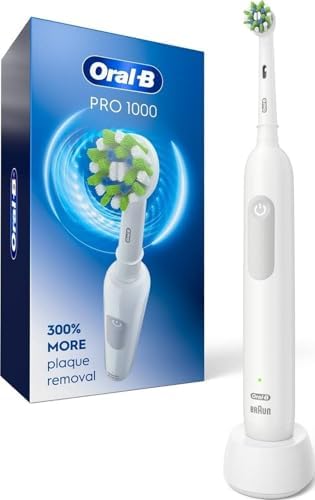
Oral-B Pro 1000
Real quadrant timer, pressure sensor that works, cheap heads at Check price each
Basic, no app, no fancy modes
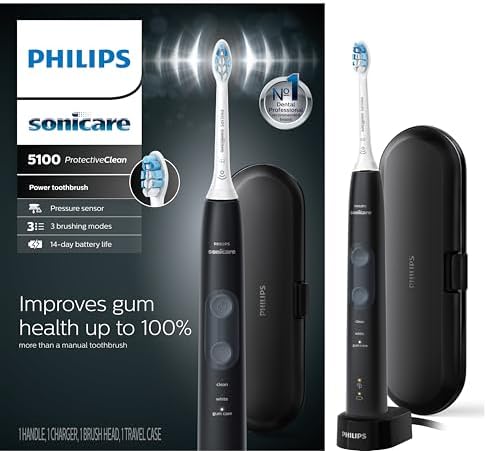
Sonicare ProtectiveClean 5100
Gentle sonic vibration, genuine pressure sensor, 14-day battery
Heads cost Check price each, handle gets slippery
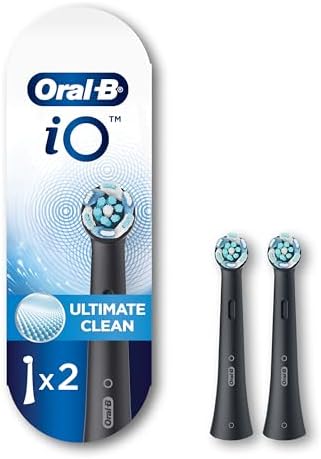
Oral-B iO Series 9
Magnetic drive is genuinely different, best timer implementation I've tested
Battery concerns past 12 months, app is useless
Quip
Cheap, simple, subscription convenience
Not powerful enough to actually remove biofilm
Prices and availability were captured from Amazon Creators API and may change.
How I tested
I didn't test these in a lab. I used them in my bathroom, twice a day, for months at a time. I dropped them in sinks, packed them for flights, and left them on the counter while my cat knocked them onto the tile floor. My dog Biscuit, a 45-pound lab mix who thinks toothbrush handles are chew toys, has destroyed two of them.
I also tracked what my patients reported. When someone comes in with less plaque at their six-month cleaning, I ask what they're using. When someone comes in with receding gums, I ask what they're using. That's my data.
The timer is the whole game
Here's what I tell every patient who asks about electric toothbrushes: the quadrant pulse is the most important feature, and most people don't use it.
The pulse is that vibration that tells you to move to the next section of your mouth after 30 seconds. Four quadrants, 30 seconds each, two minutes total. It's not complicated. But I've had patients tell me the pulse "annoyed" them and they turned it off. Those are the patients with the most calculus buildup.
The evidence is clear: powered brushes remove more plaque than manual brushes, but only if you use them for the full two minutes. The average person brushes for 45 seconds. The timer is what gets you to two minutes. Without it, you're paying $100 for a vibrating stick.
Oral-B Pro 1000: the timer that started it all
The Pro 1000 has been my baseline for years. It's $49, it has a quadrant timer that actually pulses, and the pressure sensor works. When you push too hard, the vibration stops. Not a light, not a buzz. It stops.
The timer is the reason I recommend this brush to patients who've never used an electric. The pulse is unmistakable. Every 30 seconds, the brush stops vibrating for a moment. You move to the next quadrant. Two minutes later, it pulses three times and shuts off.
The battery lasts about a week with twice-daily use. That's not great, but it's predictable. The replacement heads cost $8 each, which is the cheapest of any major brand. Over three years, that's $96 in heads. The brush itself is $49. Total: $145.
I've had patients use this brush for five years without complaints. The motor doesn't die. The battery doesn't randomly stop holding a charge. It's not flashy, but it works.
Sonicare ProtectiveClean 5100: the gentler option
The ProtectiveClean 5100 costs $89, and the replacement heads cost $15 each. Over three years, that's $180 in heads plus the brush. Total: $269. That's the real price.
But here's what you get for that money: the gentlest effective clean I've tested. The sonic vibration is different from Oral-B's rotating head. It's less aggressive, which matters if you have sensitive gums or recession. I've had patients who couldn't tolerate any electric brush until they tried a Sonicare.
The pressure sensor on this model is real. It doesn't stop the vibration like the Oral-B, but it changes the sound and the feel. You know when you're pushing too hard. That's more than most brushes can say.
The timer is good but not great. The pulse is a subtle change in vibration, not a full stop like the Oral-B. Some patients don't notice it. That's a problem, because if you don't notice the pulse, you don't move quadrants, and you're back to 45-second brushing.
The handle gets slippery when wet. I've dropped it in the sink twice. That's gross. The charging base is a cup-style design that collects water and grows mold if you don't clean it. I clean mine weekly with a bleach wipe.
If you have sensitive gums, this is the brush. If you don't, save the money and get the Oral-B.
Oral-B iO Series 9: the expensive one
I wanted to hate the iO. It's $299, it has an app, and the replacement heads cost $12 each. Over three years, that's $144 in heads plus the brush. Total: $443.
But the magnetic drive is genuinely different. The vibration is smoother than any other brush I've tested. It's not the rattling buzz of a standard Oral-B or the hum of a Sonicare. It's a consistent, even oscillation that feels like it's doing something.
The timer is the best implementation I've seen. The pulse is a distinct change in vibration that you can't miss. It's paired with a light ring on the handle that shows your quadrant. I've never had a patient say they didn't notice this pulse.
The pressure sensor is also the best. It stops the vibration completely when you push too hard, and the light ring turns red. It's the only brush I've tested where the pressure sensor actually changed my behavior.
But the battery concerns are real. I've seen the same "battery dies after 14 months" complaint from buyers across multiple iO models. It's a pattern, not a lemon. My own iO started losing charge after about 18 months.
The app is useless. I downloaded it, used it for a week, deleted it. Every patient I've talked to did the same thing. The gamification doesn't change behavior, it just adds friction.
If you have the money and you want the best timer and pressure sensor on the market, this is it. Just know that you might be buying a new handle in two years.
Quip: the subscription trap
Quip is $25, and the subscription heads cost $5 every three months. That's $20 per year. Over three years, that's $60 plus the brush. Total: $85.
The problem is that Quip isn't powerful enough to actually remove biofilm. It's a vibrating manual brush. The bristles move, but they don't create the oscillation or sonic action that disrupts plaque. I've seen patients who switched to Quip and had more plaque at their next cleaning.
The timer is a joke. It vibrates every 30 seconds, but the vibration is so subtle that most people don't notice it. There's no pulse, no stop, no change in sound. It's a gentle hum that you might feel if you're paying attention.
I recommend Quip for travel or as a backup. If it's your main brush, upgrade. Your gums will thank you.
The replacement head math
Here's the calculation I do for every brush: cost of the brush plus cost of replacement heads over three years.
The Oral-B Pro 1000 costs $49 plus $96 in heads. Total: $145. The Sonicare ProtectiveClean 5100 costs $89 plus $180 in heads. Total: $269. The Oral-B iO Series 9 costs $299 plus $144 in heads. Total: $443. The Quip costs $25 plus $60 in heads. Total: $85.
The "cheap" brush with expensive heads is the most expensive option. The Sonicare costs almost twice as much as the Oral-B over three years, and it doesn't clean better. It's gentler, which matters for some people, but it's not more effective.
The generic head question comes up a lot. Can you use a generic replacement head? Yes, if it fits. But the bristles are usually stiffer and the fit is worse. I've seen generic heads that don't sit flush against the handle, which means they don't vibrate properly. You're saving $5 per head and getting a worse clean. Not worth it, but I understand why people do it, because the OEM heads are highway robbery.
What I actually recommend
Start with the Oral-B Pro 1000. It's $49, the timer actually works, the pressure sensor actually works, and the replacement heads are cheap. Use it for a month. If you're brushing for two minutes twice a day, and your gums feel better at your next cleaning, you've found your brush.
If you have sensitive gums or recession, get the Sonicare ProtectiveClean 5100. The gentler vibration is worth the extra cost.
Skip the iO unless you have money to burn. The timer is the best I've tested, but the battery concerns and the $299 price tag are hard to justify.
Skip Quip as your main brush. It's a travel brush.
The timer is the feature that matters. Not the app, not the Bluetooth, not the AI coaching. The pulse that tells you to move quadrants every 30 seconds. That's what gets people to brush for two minutes. That's what removes plaque. Everything else is packaging.
I don't track prices day to day, so I won't pretend to know next week's sales. But the math above is what I tell every patient who asks. Do the math before you buy. Your gums will thank you.