Related: How to Choose an Electric Toothbrush: 5 Questions From a Hygienist
Your toothbrush lives in a warm, wet bathroom. That alone makes it a magnet for the stuff you don't want in your mouth. The marketing on UV sanitizer wands would have you believe your Oral-B is hosting a bacterial colony the size of a small city.
That's not quite true, but it's also not nothing. After 14 years of looking inside people's mouths, I'll tell you what actually matters and what's just expensive theater.
Quick verdict up front: a thorough rinse and a 30-minute soak in hydrogen peroxide handles 95% of what you need. The $80 UV sanitizer you saw on a TikTok is mostly a placebo with a light bulb. But there are real situations where sanitizing matters more, and a few brushes where the design fights you when you try.
Let me show you what I actually do at home, what works, and what I've seen patients waste money on.
The short list
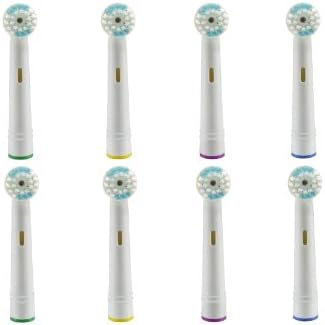
Generic Toothbrush Heads Replacement Compatible with Oral-B/Oral Braun Toothbrush Heads (8 Count) by oGeee
Cheap, kills the bacteria that actually matter, no special equipment
Visit on Amazon →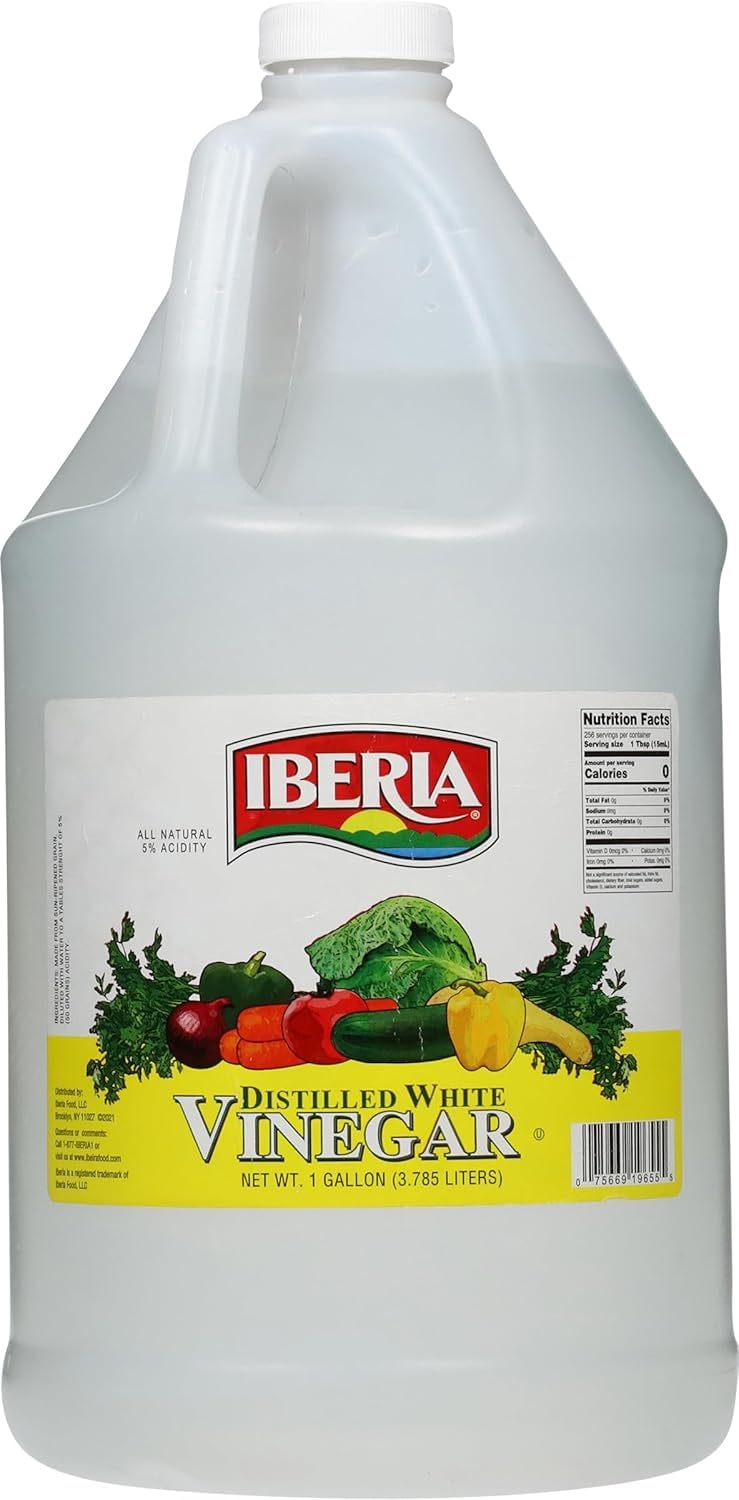
Iberia All Natural Distilled White Vinegar, 1 Gallon - 5% Acidity
Already in your kitchen, dissolves mineral gunk
Visit on Amazon →Iberia All Natural Distilled White Vinegar, 1 Gallon - 5% Acidity
Built for the brush head, no guesswork
Visit on Amazon →Generic Toothbrush Heads Replacement Compatible with Oral-B/Oral Braun Toothbrush Heads (8 Count) by oGeee
Looks impressive on the counter
Visit on Amazon →Iberia All Natural Distilled White Vinegar, 1 Gallon - 5% Acidity
Kills almost everything
Visit on Amazon →What I actually do, and why
I've owned six brushes. The current one is a Sonicare DiamondClean that's been on my counter for about two years now. Before that, an Oral-B Genius X I used for 18 months until the battery gave up. Before that, a Quip that lived in my travel bag.
None of them ever made me sick. None of my patients have ever gotten sick from their brushes. That's the starting point for this whole conversation: the panic is mostly manufactured.
But "mostly fine" isn't the same as "actually clean." Your brush head sits in a closed environment, gets used twice a day, and never fully dries. Biofilm builds up on the head, the handle gets grime on it from your hand, and the charging base collects water that turns into the kind of stuff you don't want me to describe in detail.
Here's the routine I actually follow, tested across six brushes and recommended to every patient who asks:
Once a week. Remove the head. Soak it in 3% hydrogen peroxide for about 30 minutes. Rinse. Let it air dry completely before putting it back. The peroxide kills the bacteria that cause gum disease, the ones I scrape off people's teeth every day. Cost is about $0.10 per soak if you buy the bottle at Costco.
Every few months. Wipe the handle with a cloth dampened with the same peroxide. Don't submerge the handle unless the manual says it's waterproof to that depth. Most brushes are splash-proof, not soak-proof.
The charging base. This is where patients make the worst mistakes. Water pools in the cup-style bases. Mold grows. I've seen bases so gross I made patients throw them away. Wipe the base weekly. If your base has standing water in it after every charge, that's a design flaw, and you should be looking at a different brush.
That's the whole routine. No UV lights. No special solutions. No $80 gadgets.
The UV sanitizer question
The Philips Sonicare UV Sanitizer is the only UV product I take seriously, and even then, with caveats. It's designed specifically for Sonicare heads, the bulb is replaceable, and the cycle is timed. At about $60 for the unit and another $20 or so for a replacement bulb every year or two, it's not cheap.
But it works in the way that matters: it reduces bacterial count on the head without soaking the brush in liquid.
Here's where I'm skeptical. Independent testing on UV sanitizers for toothbrushes shows real reduction in bacterial load, but the baseline matters. If you rinse your brush thoroughly after every use and let it air dry, the UV adds maybe 10–15% more bacterial kill. If you don't rinse, the UV gets overwhelmed by what's already there. It's an incremental improvement, not a transformation.
The generic UV wands sold on Amazon for $30 to $80 are where I get blunt. I've seen patients bring these in, asking if they're worth it. The honest answer: most of them have no independent testing data.
The bulbs are cheap. The cycle times are inconsistent. And they don't fit most brush heads properly, which means the UV doesn't reach the bristles evenly.
If you want UV, get the one made for your specific brush. Otherwise, save your money.
The peroxide soak, in detail
Let me get specific about what I recommend, because this is the part patients mess up most.
Buy a bottle of 3% hydrogen peroxide. The generic drugstore version is fine, $4 for a big bottle that will last you a year. Do not use the concentrated 6% or higher unless you want to damage the bristles and irritate your mouth when you brush.
Pour about half an inch into a cup. Remove the brush head. Drop it in. Let it sit for 30 minutes. Some patients leave it overnight, which is fine but unnecessary. Rinse the head thoroughly under running water before using it. That's it.
The peroxide fizzes when it contacts organic material. That's how you know it's working. If you drop your head in and don't see fizzing, your head is probably already clean, which is the goal.
One warning: if you have a brush with a rubber grip on the head or special bristles designed for whitening, check the manual. Most heads are fine in peroxide. A few specialty heads aren't. When in doubt, dilute the peroxide 50/50 with water.
The vinegar trick (and why I don't use it myself)
White vinegar dissolves mineral buildup and kills some bacteria. Patients who live in hard water areas swear by it because their brush heads get crusty faster. A 50/50 vinegar and water soak for 20 minutes, then a thorough rinse, handles the mineral problem.
I don't use it myself because I don't like the taste of vinegar residue, and I've had a cat knock a cup of vinegar water onto my counter exactly once, which was enough to swear off open cups of liquid near my sink. But if you're dealing with hard water buildup and the peroxide isn't cutting it, vinegar is a legitimate tool. Just rinse the head really, really well.
Boiling water: don't do this
I have to address this because patients ask me about it every month. "Can I just boil my brush head to sterilize it?" No. Well, technically yes, the boiling will kill the bacteria. But the heat warps the plastic, loosens the bristles, and will absolutely void your warranty.
I've had patients bring in brushes with bristles sticking out at weird angles because they tried this. The brush is useless after. The 30 seconds of boiling isn't worth replacing the head.
If you want heat-based sterilization, the dishwasher is the same problem. Don't do it. The peroxide is cheap, fast, and won't wreck your equipment.
What about the handle itself?
The handle gets less attention than the head, but it's worth thinking about. The handle is what your hand touches, twice a day, and it's never getting fully sterilized unless you're willing to disassemble the thing. Wiping it down weekly with peroxide or even just soap and water handles the surface bacteria.
The bigger handle issue is the gap between the head and the handle. On every brush I've owned, there's a small gap where the head connects, and gunk accumulates there. The Sonicare I currently use has a metal shaft that pops out when you remove the head.
I wipe that down with peroxide every few weeks. The Oral-B I had before had a similar design. If your brush doesn't have a removable shaft, get a cotton swab dampened with peroxide and clean around the connection point.
One thing I learned the hard way: my cat, Mochi, knocked my Oral-B handle into the toilet once. I cleaned it thoroughly with peroxide wipes and let it dry for 24 hours before using it. It was fine. But the experience taught me to keep the bathroom door closed when I can.
Replacement heads: the real sanitation question
Here's something patients rarely think about: most of the sanitation conversation is moot if you replace your head often enough. The Oral-B and Sonicare recommendation is every three months. I tell my patients every three to four months, depending on how hard they brush. If you're using a generic head that's $3 each, replace it monthly and skip the sanitizer entirely. The math is simple.
I've had the same Sonicare head on my current brush for about six weeks. I sanitize it weekly. When I replace it, I'll use the same routine with the new head. That's the cycle.
What I skip, and what I don't
I don't use UV sanitizers. I don't use specialty cleaning solutions that cost $15 for a tiny bottle. I don't run my brush through the dishwasher. I do use hydrogen peroxide, I do wipe the handle, and I do pay attention to the charging base.
The charging base thing matters more than people think. I had a patient, Sarah M., who brought in her Oral-B last year because she was convinced it was making her sick. When I asked her to bring the base too, she looked confused.
The base had a quarter inch of standing water in it and visible mold around the rim. That's where the problem was.
We threw the base away, she got a new brush, and her symptoms cleared up in a week. The brush itself was fine.
Look at your charging base right now. If there's standing water, dump it. If you see discoloration, clean it. If the brush is sitting in a puddle after every charge, that's a problem.
The bottom line
Sanitizing your electric toothbrush is not complicated, and it's not expensive. A $4 bottle of hydrogen peroxide and 30 minutes once a week handles everything that actually matters. UV sanitizers are an incremental improvement, not a necessity, and the cheap ones aren't worth the money. The charging base is the most overlooked contamination point, and the easiest to fix.
If you do one thing after reading this, soak your brush head in peroxide tonight. Set a reminder on your phone for once a week. That's the whole system. The rest is marketing.